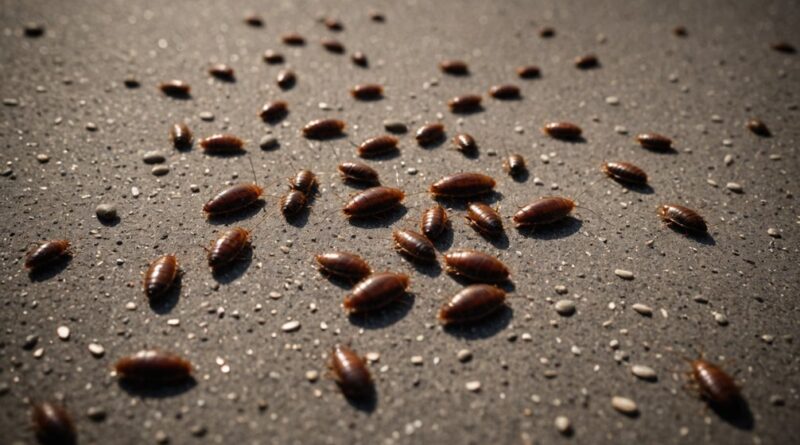
What Does Cockroach Poop Look Like?
Cockroach poop usually looks like dark, pepper-like specks or ground coffee, especially from small roaches. Larger roaches leave tiny cylindrical pellets with blunt ends. Fresh droppings appear dark, moist, and smearable, while older ones turn lighter brown or gray and become dry and hard. You’ll often spot them in kitchens, bathrooms, and pantries near food, water, and cracks. If you notice these signs, you’re just starting to uncover what they really indicate.
Key Takeaways
- Cockroach droppings are dark brown to black and often look like ground coffee, black pepper, or tiny specks.
- Larger roaches leave cylindrical pellets with blunt, rounded ends; smaller species leave very fine, grain-like specks.
- Fresh droppings are moist, dark, and smearable, while old droppings become dry, hard, and fade to light brown or gray.
- Roach feces are smaller and more blunt-ended than mouse droppings, which are rice-shaped with pointed tips.
- Droppings are commonly found in clusters near food, water, and dark hiding spots like kitchen cabinets, under sinks, and behind appliances.
How to Spot Cockroach Poop
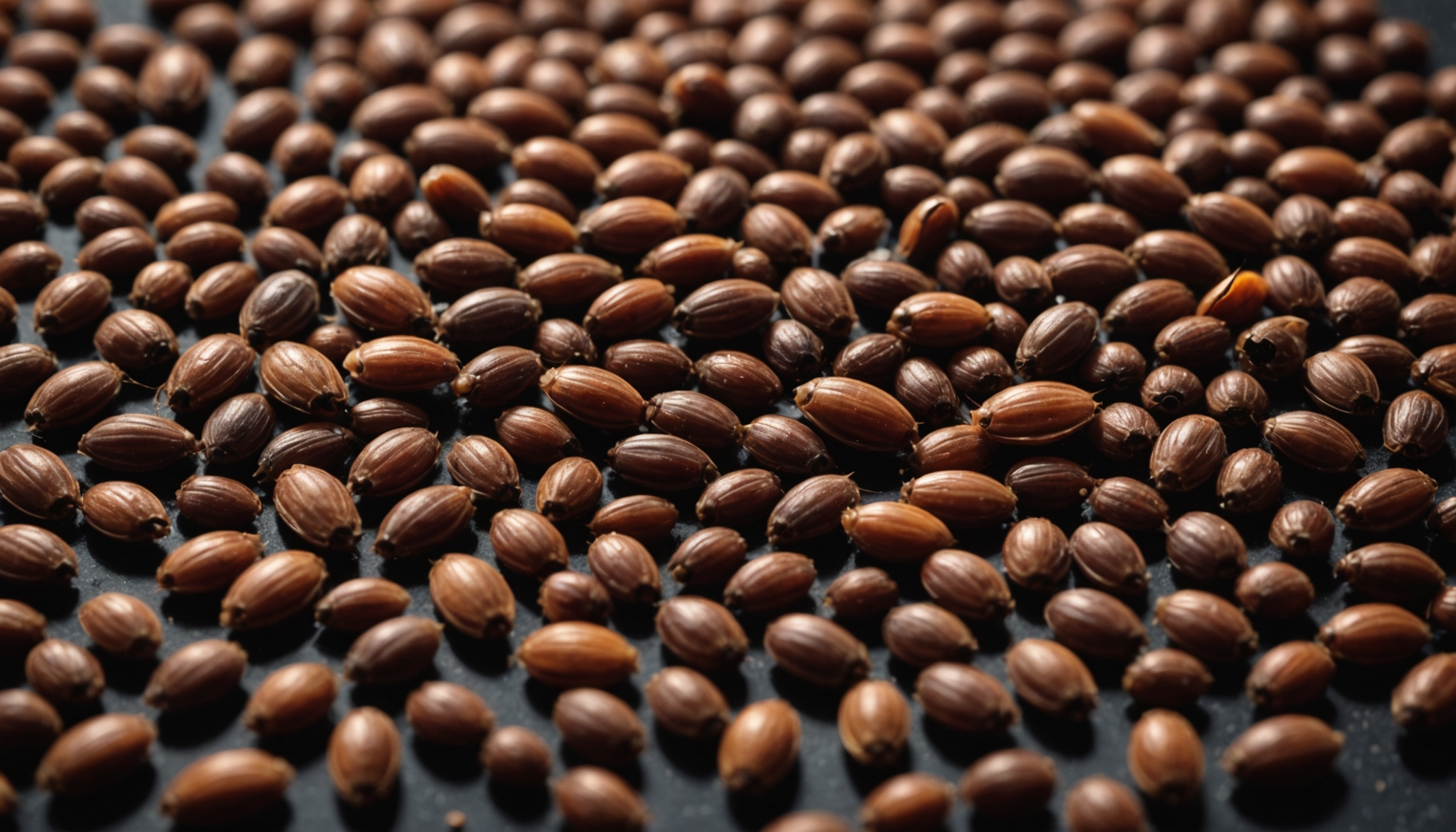
One of the fastest ways to confirm you’ve got cockroaches is to learn what their droppings look like and where they tend to show up. Small roaches leave tiny black specks that look like ground coffee or black pepper. Larger species leave bigger, cylindrical pellets with blunt, rounded ends. Cockroach droppings can also trigger allergies and worsen asthma symptoms, especially in children and sensitive individuals.
Spot tiny black specks or blunt, cylindrical pellets? That’s often your first clear sign of roaches.
German roach droppings are thin and fine, while American roach droppings are larger and more obvious.
You’ll usually spot these near food and water: along pantry shelves, in cabinet corners, under sinks, near garbage cans, and in bathrooms. Heavier clusters in one spot point to a main hiding or feeding area.
Don’t confuse them with mouse droppings. Mouse pellets are typically larger, smooth, and pointed at the ends. Cockroach feces are smaller, blunt, and often show fine ridges.
When you find any, treat them as an early warning sign of an active or growing infestation.
If you are still unsure which pest you are dealing with, CockroachCare.com has a dedicated comparison guide that goes deeper on the physical differences. Cockroach droppings vs mouse droppings covers size, shape, texture, and location clues to help you make a confident identification.
Color and Texture of Cockroach Droppings (Fresh vs Old)
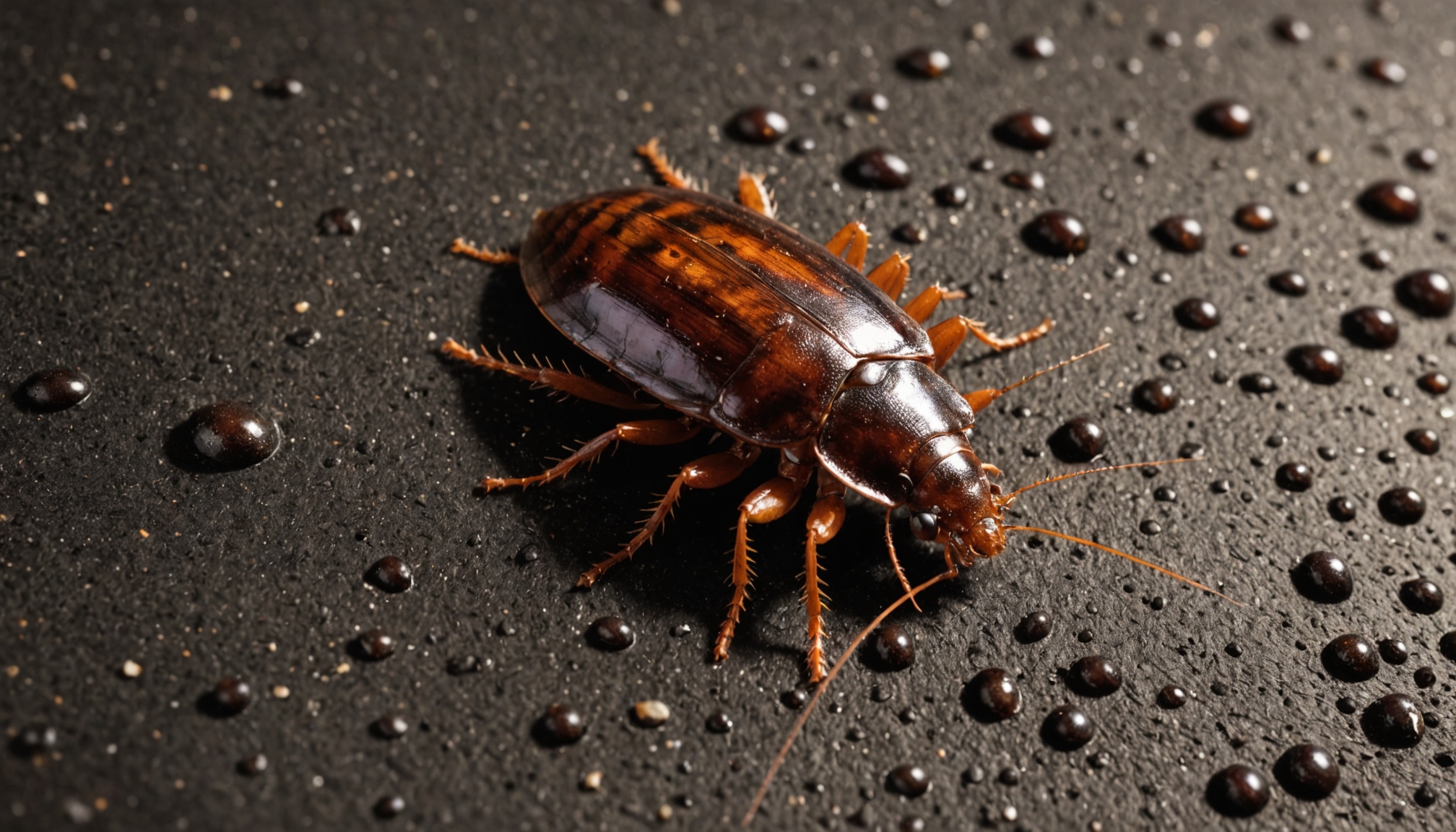
Once you know where to look for cockroach droppings, the next step is reading what their color and texture tell you about how recent they are. Fresh droppings usually look dark brown to black, like ground coffee or black pepper. They appear moist or oily, often stick to surfaces, and may smear if you wipe them. Larger roaches leave tiny ridged cylinders with blunt ends, while small species create inky, pepper‑like specks. Because cockroaches often defecate near their food sources, finding fresh droppings in kitchens or pantries can signal recent activity and possible contamination of nearby surfaces.
As droppings age, they dry out and fade. You’ll see lighter brown or grayish tones and a dull, dusty look. Old spots may flatten and resemble mold, or harden into tiny black specks that don’t smear.
| Age | Color clues | Texture clues |
|---|---|---|
| Fresh | Dark brown to black | Soft, moist, smearable |
| Aging | Starting to fade | Drying, less sticky |
| Old | Light brown, grayish, mold‑like | Dry, hard, slightly brittle |
| Any age (small) | Pepper‑like black specks, inky smears | Tiny grains, sometimes raised stains |
Where to Look for Cockroach Droppings in Your Home
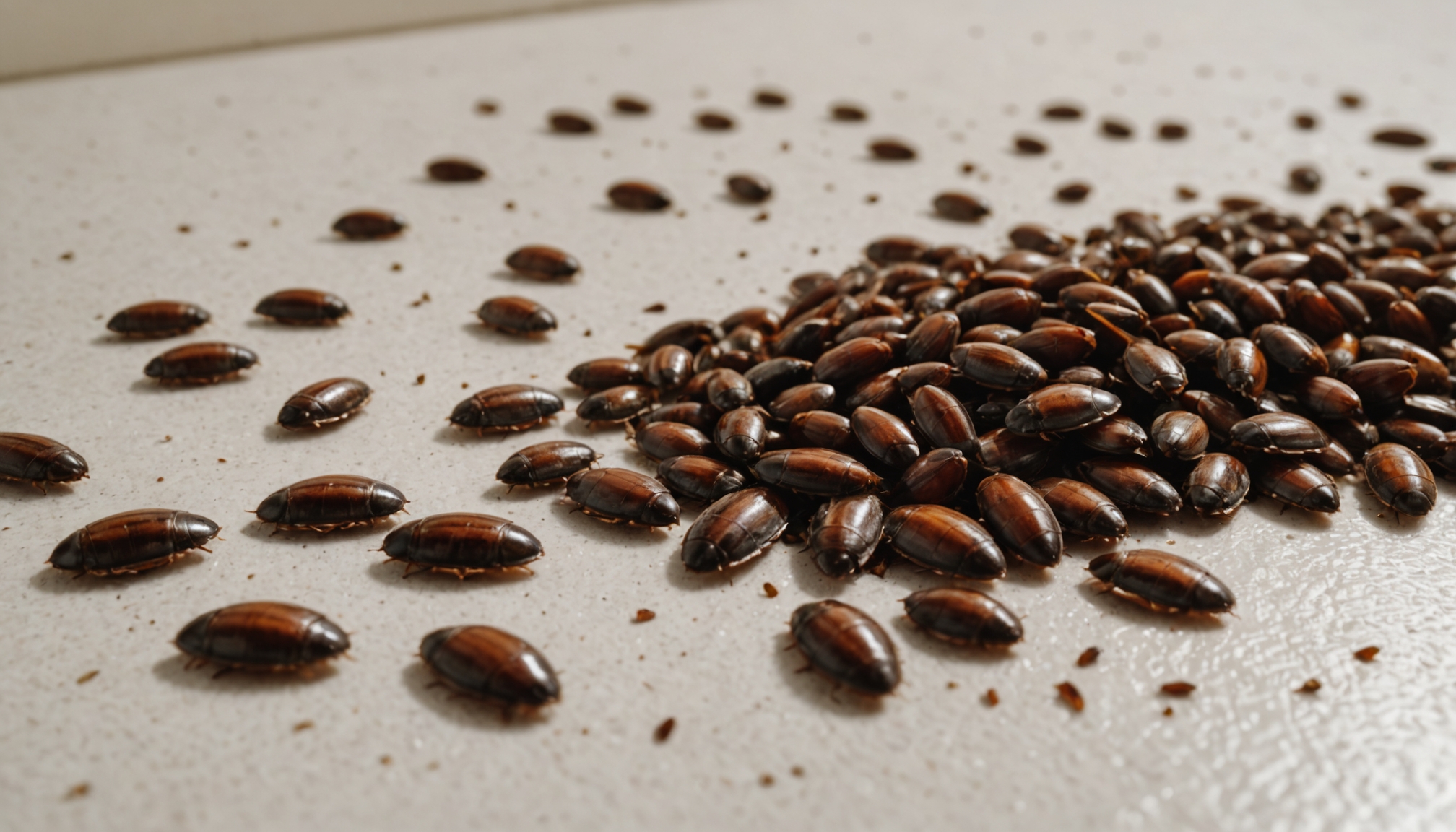
Where exactly cockroaches leave their droppings depends on where they’re feeding, hiding, and traveling. You’ll usually spot the most specks where food, moisture, and darkness come together. Focus your search in these key areas so you don’t miss hidden activity.
Look where food, moisture, and darkness meet—those shadowy junctions often reveal hidden cockroach droppings
- Kitchen zones – Check along baseboards, behind and under stoves and refrigerators, and around garbage cans. Look inside lower cabinets, along countertop edges, and near the sink for dark trails and clusters. Large amounts of droppings in these areas can signal an active infestation.
- Bathrooms – Inspect along baseboards, behind toilets, around drains, and under vanities. Humid corners and gaps around pipes often collect droppings.
- Pantries and storage – Scan shelves, the tops and backs of food packages, and cabinets with unsealed containers. Droppings in closets or storage rooms suggest long-term use.
- Hidden and utility spaces – Examine room corners, wall-floor junctions, doorways, crawl spaces, and utility rooms. Heavy accumulations often mark main travel routes and harborage spots.
Cockroach Poop vs Mouse Droppings
Although cockroach and mouse droppings can look similar at a glance, a closer look quickly tells them apart.
Cockroach feces are usually smaller; many specks measure under 1 millimeter, like coffee grounds or pepper flakes. Mouse droppings run up to about twice that size and form consistent, rice‑like rods. Larger roach pellets can approach mouse size, but they still tend to be a bit smaller overall. Because different pests need specific control methods, correct identification is essential for choosing the right treatment.
Shape helps you most. Cockroach droppings have blunt, square‑cut ends and may show tiny side ridges. Mouse droppings almost always have pointed, pinched tips and a smooth surface.
Color and texture add more clues. Roach feces look very dark brown to black and feel dry and granular, even when fresh. Mouse pellets are medium to dark brown, start soft and moist, then harden.
Finally, clustered droppings in tight cracks suggest roaches, while scattered pellets along runways point to mice.
Small vs Large Cockroach Droppings by Species
Because cockroach size directly shapes what their feces look like, you can often tell the species group just by the droppings. Larger roaches leave obvious pellets; small ones leave specks and smears that you might miss or mistake for dirt. Cockroach droppings can also trigger allergies and asthma, especially in children, because they contain proteins that act as potent indoor allergens.
Here’s how to compare them:
- Large species like American, Smoky Brown, and Oriental roaches leave solid, cylindrical pellets, dark brown to black, often as big as a grain of rice and sometimes up to 1 inch long.
- These pellets have blunt ends and faint ridges running tip to tip, a bit like fennel seeds, and they clearly match bodies over 1 inch long.
- German roaches, under 1 inch, produce thin, coarse bits that resemble coffee grounds, forming fine dark specks or tiny raised stains.
- Brown-Banded roaches leave pepper-like specks, brown to black, so small they often blend in with dust.
What Cockroach Poop Reveals About Health Risks, Infestation Level, and Cleanup Steps
So once you can tell small and large droppings apart, the next step is to use those piles of specks and pellets as clues about what’s happening in your home and how urgently you need to respond.
Dark, moist, cylindrical pellets mean roaches are active right now; dry, lighter specks suggest older activity. Heavy clusters in cabinets, behind appliances, or near drains point to nesting spots and a growing infestation that may need professional help.
Those tiny pellets aren’t just gross; they’re loaded with bacteria like E. coli and Salmonella, plus allergens that can trigger asthma and breathing problems.
Treat any kitchen or pantry droppings as a contamination risk.
When you clean, wear gloves and a mask, avoid dry sweeping, and use a HEPA vacuum.
Seal vacuum bags and droppings in plastic, then disinfect surfaces with soap and warm water or a proper disinfectant.
Finally, improve sanitation and seal entry gaps to prevent new roaches.
For a full breakdown of the health dangers cockroach droppings pose, including allergen risks and bacterial contamination, CockroachCare.com covers whether cockroach droppings are
dangerous in detail, including safe cleanup steps.
Conclusion
Now that you know what cockroach poop looks like and where to find it, you can spot an infestation early and act fast. Use droppings to tell roaches from mice, gauge how bad the problem is, and decide if DIY control’s enough or it’s time for a pro. Always clean droppings carefully, protect your health, and follow up with prevention so roaches don’t come back.