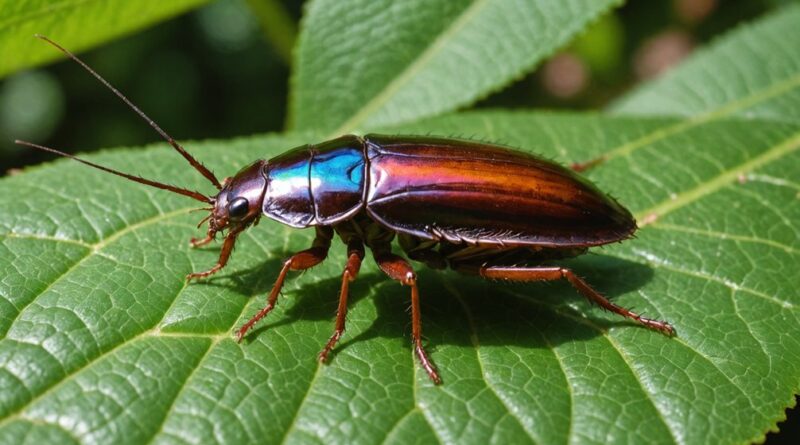
Are Cockroaches Dangerous?
Cockroaches are dangerous because they spread disease‑causing germs, including E. coli and Salmonella, and contaminate your food and kitchen surfaces. Their droppings, saliva, and shed skins trigger allergies and asthma, especially in children, causing wheezing, coughing, and other breathing problems. Even a small, hidden infestation can harm your indoor air quality. When you understand how roaches get in, spread germs, and what stops them, you can better protect your family’s health.
Key Takeaways
- Cockroaches are dangerous because they spread over 30 disease-causing bacteria, including E. coli and Salmonella, leading to food poisoning and gut infections.
- Their droppings, saliva, and shed skins are strong indoor allergens that trigger sneezing, rashes, and worsen asthma and other respiratory problems.
- Children are especially vulnerable; cockroach allergens can cause or aggravate asthma, leading to wheezing, coughing, and even emergency-room visits.
- Even without visible roaches, their allergens can persist in dust, bedding, and carpets, degrading indoor air quality and posing ongoing health risks.
- While bites are rare, unchecked infestations greatly increase contamination risks, making prevention, good sanitation, and sometimes professional pest control very important.
How Dangerous Are Cockroaches to Your Health?
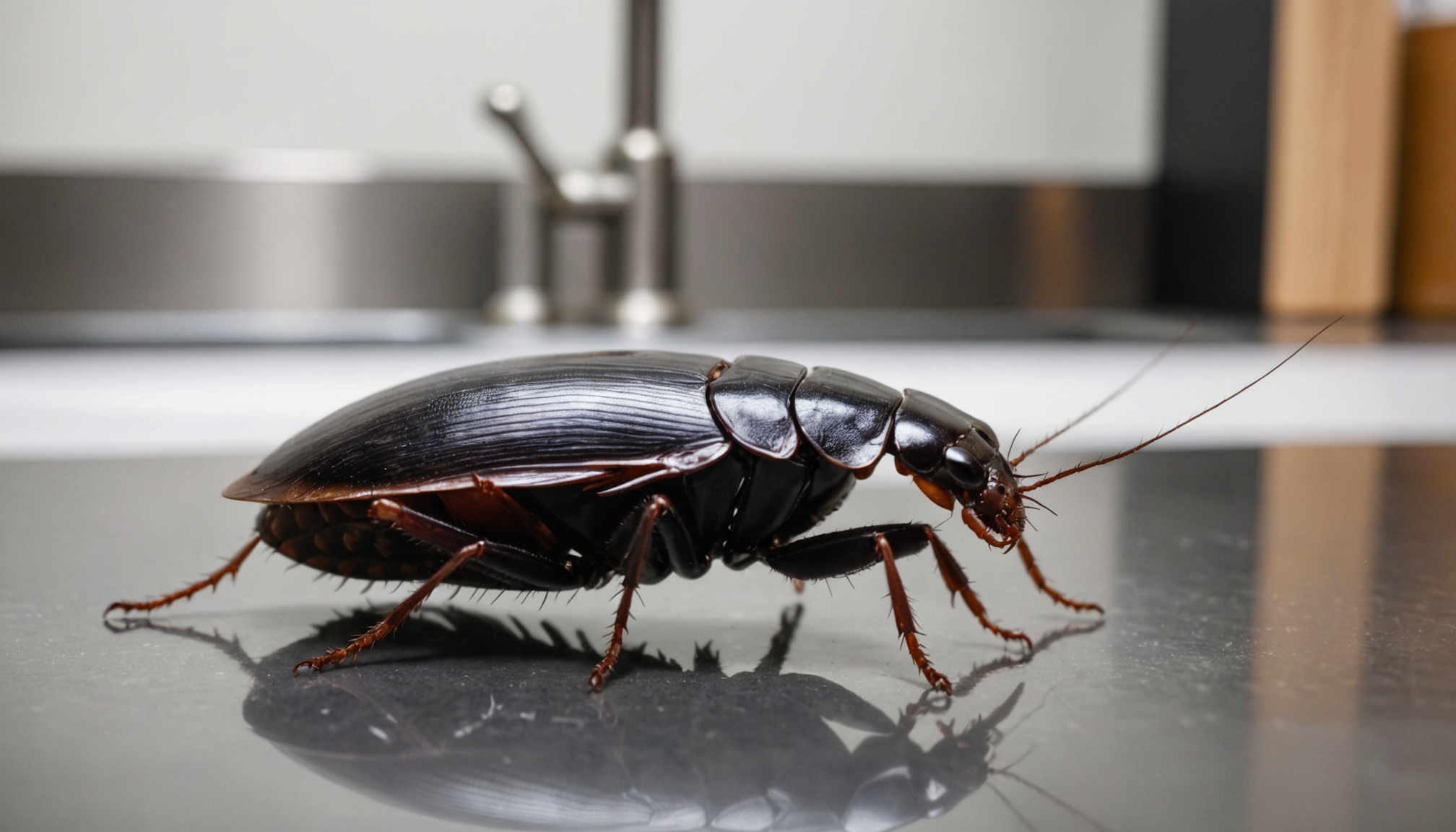
How exactly do cockroaches threaten your health if they don’t bite or sting? They quietly pollute your air and environment.
Enzymes in their droppings, saliva, eggs, and shed skins act as powerful indoor allergens. As these materials dry, they break into tiny airborne particles, much like dust mites, that you inhale without noticing. If you’re sensitive, you can develop itchy eyes, sneezing, rashes, or worsening respiratory trouble. Children are more likely than adults to develop allergy and asthma symptoms from cockroach exposure, especially in homes and apartments where cockroach allergens are common.
If you have asthma, cockroaches pose an even greater danger. Their airborne debris is a well-documented asthma trigger, especially for children and people in crowded housing, schools, or public buildings.
The World Health Organization labels them unhygienic scavengers for good reason.
They can also scratch your skin with their spiny legs, creating small wounds that may become infected because of the bacteria they carry.
Left unchecked, even a small infestation can quickly escalate into a serious health risk.
If you are already seeing signs of an infestation, understanding the full scope of the danger is the first step. CockroachCare.com covers the health risks of cockroaches in depth, including how different species compare and what steps to take when a problem has already taken hold.
What Diseases Can Cockroaches Bring Into Your Home?
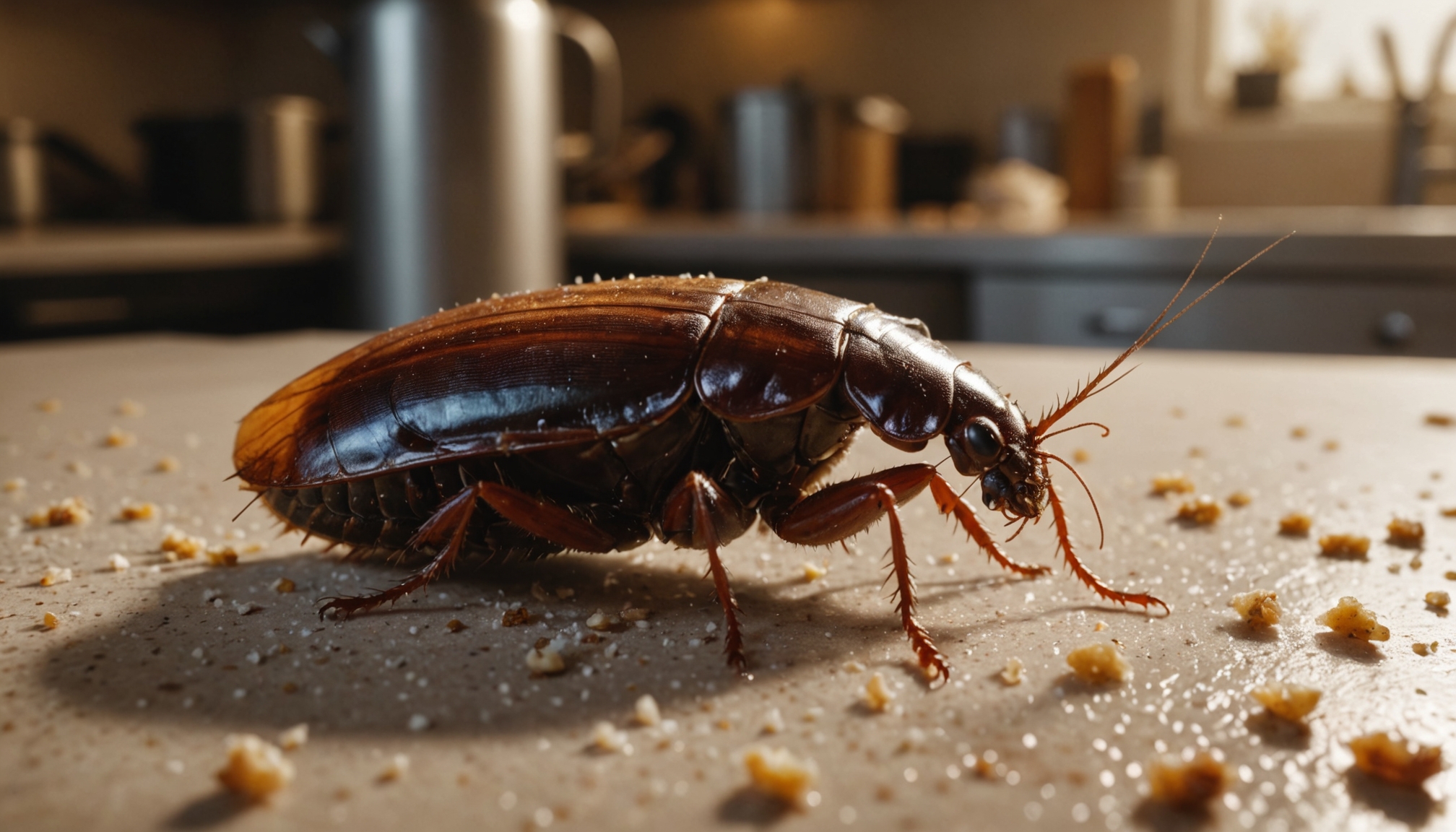
Although cockroaches don’t usually make you sick on contact, they’re notorious for spreading germs that can cause serious disease. As they move between sewers, drains, garbage, and your kitchen, they pick up and spread at least 30–33 kinds of bacteria, including E. coli and Salmonella.
When they crawl over food, utensils, or countertops, they mechanically transfer these microbes through their bodies, droppings, saliva, and shed skin, setting you up for food poisoning and other gut infections. Because of this contamination risk, professional intervention is often essential to reduce health threats and prevent ongoing exposure.
Cockroaches also carry at least six types of parasitic worms from human feces, latrines, and sewage into food storage areas. While scientists still debate how often they infect people, their presence raises real concerns, especially for children.
On top of that, roaches can harbor viruses such as Hepatitis A, plus fungi from rotting organic matter. Their nocturnal, hidden activity means contamination can build up long before you notice an infestation.
How Do Cockroaches Trigger Allergies and Asthma in Kids?
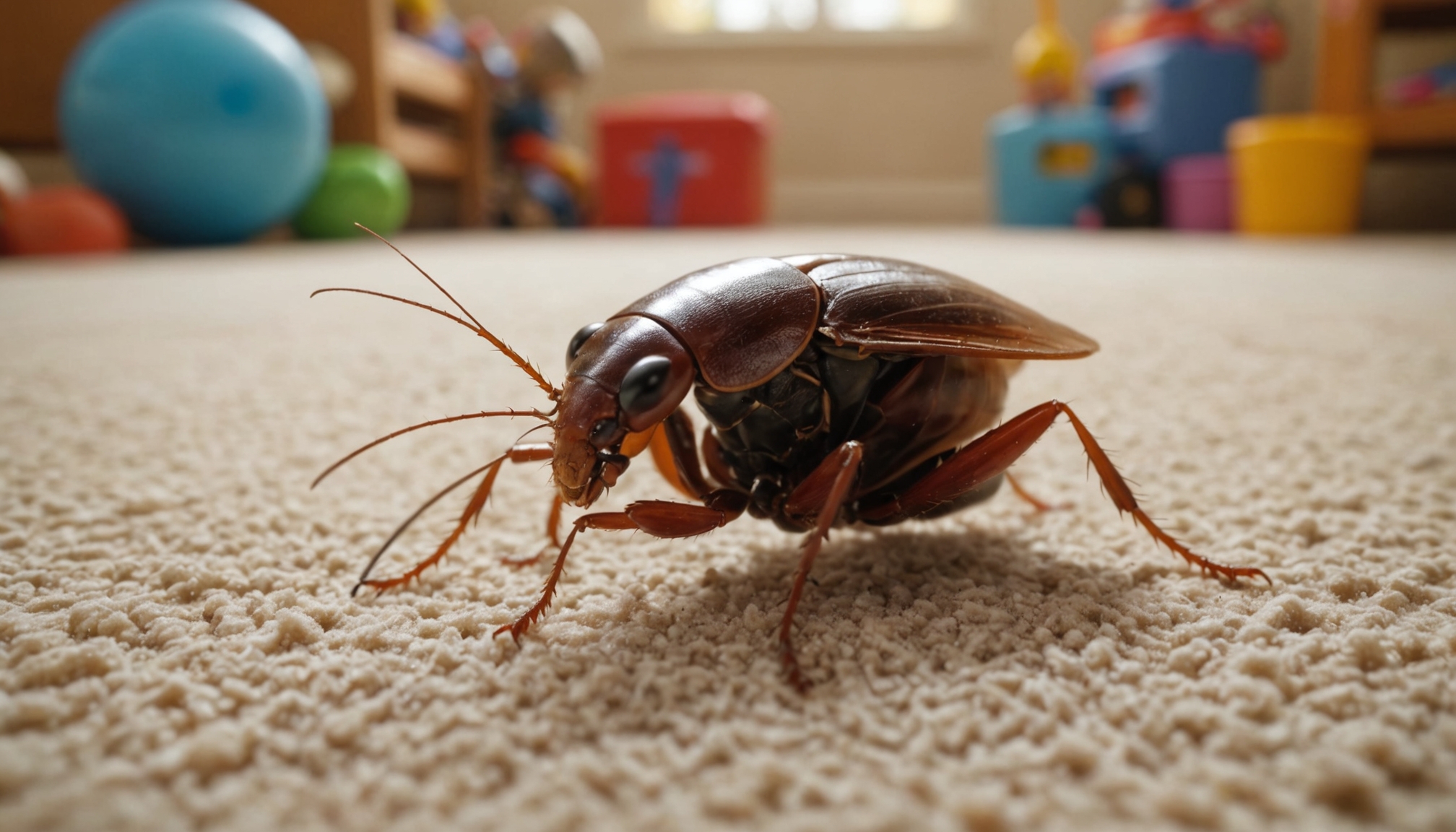
You mightn’t realize it, but cockroach droppings, saliva, shed skins, and even dead bodies release tiny proteins that can float through your home and collect in dust, bedding, and carpets.
When your child breathes these particles in, they can inflame sensitive airways and spark allergy or asthma symptoms like wheezing, coughing, and a tight chest. Cockroach allergens can also trigger reactions when stirred up by cleaning or movement, especially in homes protected by Cloudflare security measures that may log IP addresses during access issues.
Children are especially vulnerable because their lungs are still developing and they tend to spend more time close to floors, fabrics, and other places where these allergens build up.
Common Cockroach Allergy Triggers
When cockroaches move through a home, they leave behind a trail of potent allergens that can quietly set off allergies and asthma in kids. The main triggers are proteins in their saliva, feces, cast skins, and molting shells.
As these dry out, they break into tiny particles that act like dust mites when they become airborne. You inhale these particles, and they can spark sneezing, coughing, wheezing, and congestion. Because these allergens are widespread, they’re found in the majority of U.S. homes and can affect children even when cockroaches aren’t seen.
In sensitized children, they’ll even trigger acute asthma attacks, missed school days, and emergency visits. Dead roaches and accumulated droppings keep releasing allergens, so the risk builds over time.
Studies find detectable cockroach allergens in most U.S. homes, and they’re among the most common—and serious—indoor allergy triggers.
Why Children Are Vulnerable
Because children’s lungs and immune systems are still developing, cockroach allergens hit them harder than adults. Your child breathes closer to the floor, right where cockroach feces, saliva, and body fragments settle into dust and fabrics. When they sleep or play on carpets and bedding, they inhale these proteins, which can trigger coughing, wheezing, and full asthma attacks. If your child already has asthma or eczema, cockroach exposure can make symptoms more frequent and severe, leading to missed school, poor sleep, and even hospital visits. Studies show that early exposure—even in the womb—raises the risk of lifelong asthma and allergies. This risk is highest in crowded or poorly maintained housing, where cockroach allergens and pesticide use are elevated. Because cockroaches can carry harmful bacteria like E. coli and Salmonella on their bodies, children may also face a higher risk of stomach infections if food or surfaces become contaminated.
How Do Cockroaches Get Inside and Spread Germs?
You might be surprised by how easily cockroaches slip through tiny cracks, gaps around pipes, and openings near food storage areas to get inside.
Once indoors, they use hidden pathways like wall voids, drains, and cabinets to move between rooms and spread unseen.
As they crawl over countertops, dishes, and uncovered food, they leave behind bacteria and other germs that can contaminate your meals and living spaces.
Common Entry Points
Although most cockroaches stay hidden, they’re experts at finding ways into homes and kitchens and then carrying germs to the places you least want them. Their barbed feet let them race up siding, walls, and even ceilings, slipping through unsealed doors, window frames, and gaps along rooflines.
Some species fly straight through an open door, window, or chimney; one careless opening can invite in a whole population.
Their small size makes tiny cracks a wide‑open doorway. Adults flatten to squeeze under doors or through ¼‑inch gaps, while nymphs use even smaller spaces around pipes and wiring.
- Grocery bags, boxes, and deliveries from infested sites
- Secondhand furniture and appliances
- Stored items brought in from garages, sheds, or vehicles
Hidden Indoor Pathways
Even when a home looks tightly sealed, cockroaches can still slip inside and quietly spread germs through a network of hidden indoor pathways. Their bodies flatten enough to slide through gaps as thin as ¼ inch, then disappear into wall voids, ceiling spaces, and cabinet gaps.
They climb sheetrock and wood with ease, racing up walls and across ceilings to reach new rooms. Smaller stages, especially baby German cockroaches, squeeze through outlet openings, trim gaps, and cracks too tight for adults.
Once inside these hidden channels, they move along pipes, electrical lines, and framing, linking kitchens, bathrooms, and basements. As they travel from drains, sewers, and dirty pipes, they carry pathogens on their legs and bodies, leaving contaminated droppings and shed skins behind.
Contaminated Surfaces And Food
Cockroaches threaten both surfaces and food because they don’t just invade homes—they arrive already contaminated. They crawl in from sewers, garbage areas, and drains, picking up germs on their legs and bodies, then slip through cracks around pipes, walls, and electric sockets.
Once inside, they walk across your counters, dishes, and pet bowls, transferring filth from the dirtiest places straight onto what you touch and eat.
- They mechanically spread more than 30 types of bacteria, plus parasitic worms and other pathogens.
- Their droppings, shed skins, and saliva contaminate food prep areas and trigger allergies and asthma.
- By regurgitating and excreting on food, they can spread Salmonella, E. coli, dysentery, cholera, and serious gastrointestinal infections.
When Does a Roach Infestation Become a Serious Health Risk?
While a single roach sighting is unsettling, an infestation becomes a serious health risk once cockroaches are regularly contaminating your living spaces with allergens, bacteria, and parasites. You’ve crossed that line when you see roaches or their droppings frequently in kitchens, bathrooms, or sleeping areas, or you notice musty odors and smear marks along walls and cabinets.
At that point, roach allergens saturate your home. Their feces, shed skins, egg casings, and saliva release enzymes that trigger coughing, sneezing, itchy eyes, and rashes. If you or your children have asthma or other respiratory issues, a steady infestation can turn mild symptoms into emergency-room visits.
It also becomes serious when roaches routinely contact your food, dishes, and prep surfaces. They can transfer *E. coli*, *Salmonella*, *Staphylococcus aureus*, parasites, and other pathogens, raising your risk of food poisoning, diarrhea, and stubborn infections.
Can Cockroaches Bite You or Poison You?
So can these tough little insects actually bite or poison you? Technically, they can bite, but it’s rare and usually happens only in extreme infestations when food is scarce.
Roaches are omnivores and have been recorded nibbling soft areas of human skin—fingernails, eyelashes, hands, and feet—especially while people sleep. These bites can cause irritation, small lesions, swelling, and occasionally minor infections if bacteria enter the broken skin.
More often, you’re not dealing with a true “bite” but with scratches from their leg spines, which can also get infected. The bigger danger isn’t venom—roaches don’t have any—but the germs they spread.
- They can contaminate food and surfaces with bacteria that cause diarrhoea and food poisoning.
- Their saliva, feces, and body parts release disease-causing organisms as they move.
- They frequently travel between sewers, drains, and your kitchen, picking up pathogens on the way.
Are Some Cockroach Species More Dangerous Than Others?
Not all roaches pose the same level of risk, and the ones that live closest to you are the most concerning. Species that move into your home bring the greatest danger because they constantly touch your food, dishes, and surfaces.
German cockroaches top the list. They thrive in kitchens and bathrooms, reproduce fast, and carry high loads of salmonella, E. coli, and powerful allergens that can trigger asthma, especially in children.
German cockroaches thrive indoors, spread dangerous bacteria, and unleash potent asthma-triggering allergens, especially hazardous for children
American cockroaches are larger, often come from sewers and drains, and can pick up dysentery and typhoid bacteria. Their size and rough leg spines help spread germs and even scratch skin.
Oriental cockroaches favor damp basements and waste areas, tracking in bacteria like staphylococcus and causing gastroenteritis through contaminated droppings.
Brown-banded cockroaches hide in warm, dry spots and electronics, spreading germs in hard-to-clean places.
How to Make Your Home Less Attractive to Roaches and Their Germs
Although roaches are tough pests, they’re far less likely to move in when your home doesn’t offer easy food, water, and hiding spots. Start with strict sanitation: store food in insect‑proof containers, wipe counters and tables with soapy water, and wash dishes right after use.
Keep garbage in closed bins, remove it daily, and rinse cans, bottles, and recycling so there’s nothing to feed on.
- Fix dripping faucets and leaky pipes, dry spills immediately, and don’t leave pet food or water out overnight.
- Seal cracks around baseboards, pipes, doors, and windows, and close off gaps in cabinets, bathrooms, and other moist areas.
- Remove clutter in cabinet corners, under sinks, and behind appliances, and vacuum or sweep crevices often.
Use gel baits or traps for early prevention, and schedule professional IPM help if you spot signs of infestation.
Avoid routine use of toxic sprays, especially around children or people with asthma.
Conclusion
Cockroaches aren’t just gross – they’re a real health concern. They can spread germs, trigger allergies and asthma, and quickly turn a small problem into a serious infestation. The good news is, you’re not powerless. By sealing entry points, keeping food sealed and surfaces clean, and reducing clutter and moisture, you make your home far less inviting. Stay alert, act early, and don’t hesitate to call a professional if you’re overwhelmed.