How Old Was Edith Flagg When She Died? Life and Legacy
Edith Flagg died at 94 years old, passing away on August 13, 2014, after a remarkable life that began in 1919 in Austria. You see her journey stretch from escaping the Nazis and joining the Dutch Resistance to rebuilding in America and launching Edith Flagg Inc. in Los Angeles. She revolutionized U.S. fashion by popularizing polyester, became a beloved figure on Million Dollar Listing, and used her success for philanthropy—there’s much more behind that number 94.
Key Takeaways
- Edith Flagg was 94 years old when she died on August 13, 2014, in Los Angeles, California.
- Born November 1, 1919, in Austria, she survived the Holocaust after fleeing Nazi-occupied Europe and joining the Dutch Resistance.
- After World War II, she emigrated to the United States, married Eric Flagg, and built a close-knit family, including her son Michael and grandson Josh.
- She founded Edith Flagg Inc., revolutionizing American fashion by popularizing polyester Crimplene and growing a national retail presence.
- In retirement, she focused on philanthropy for Jewish causes and medical research, cementing a legacy of resilience, innovation, and generosity.
Who Was Edith Flagg?
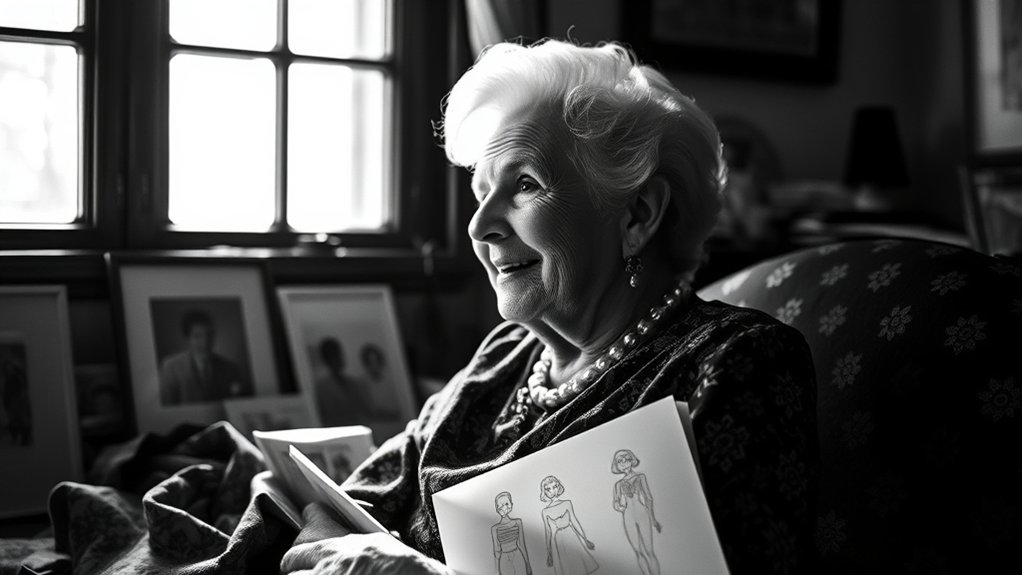
Edith Flagg was a Holocaust survivor turned fashion entrepreneur who reshaped American ready-to-wear from her adopted home in Los Angeles. You see her most clearly as a woman who refused to let loss define her.
Born November 1, 1919, in Austria, she eventually reached the U.S. in 1948 with her second husband, Eric, and a young son, carrying only a few dollars and enormous drive. After retiring from her company in 2000, she dedicated much of her energy and resources to Jewish and medical causes in Los Angeles.
You’d recognize her impact in the label Edith Flagg Inc., which she launched in the early 1950s after working as a seamstress.
With an initial $2,000 investment, she built a dress business that grew into an international design house with offices across the U.S. and in London, plus a factory in Hong Kong.
She later became the first to import polyester Crimplene to America, turning wrinkle-resistant, wash-and-wear fashion into a multimillion-dollar empire and a lasting legacy.
From Vienna to Romania: Edith’s Early Years

Long before her name appeared on garment labels, a girl named Edith Faierstein was growing up between two worlds, Vienna and the Romanian port city of Galați.
You first meet her as a child in a well‑to‑do Jewish family, anchored by a father whose photography studio keeps everyone fed and dressed. You sense how close she feels to her parents and sister, how Jewish traditions quietly shape daily life.
In Galați, you watch her absorb color, texture, and people’s clothing, even if she doesn’t yet call it “fashion.” Her early years move between:
- Vienna as her birthplace and cultural starting point.
- Galați as the setting of her childhood memories and family comfort.
- Her father’s camera work, sharpening her eye for detail.
- Strong family ties that give her courage to leave.
At 15, you follow her back to Vienna, where she turns that eye toward formal fashion study. In the decades that followed, she would survive the Holocaust and later reinvent herself in America, carrying those early impressions into a groundbreaking career in fashion.
Escaping the Nazis and the Dutch Resistance
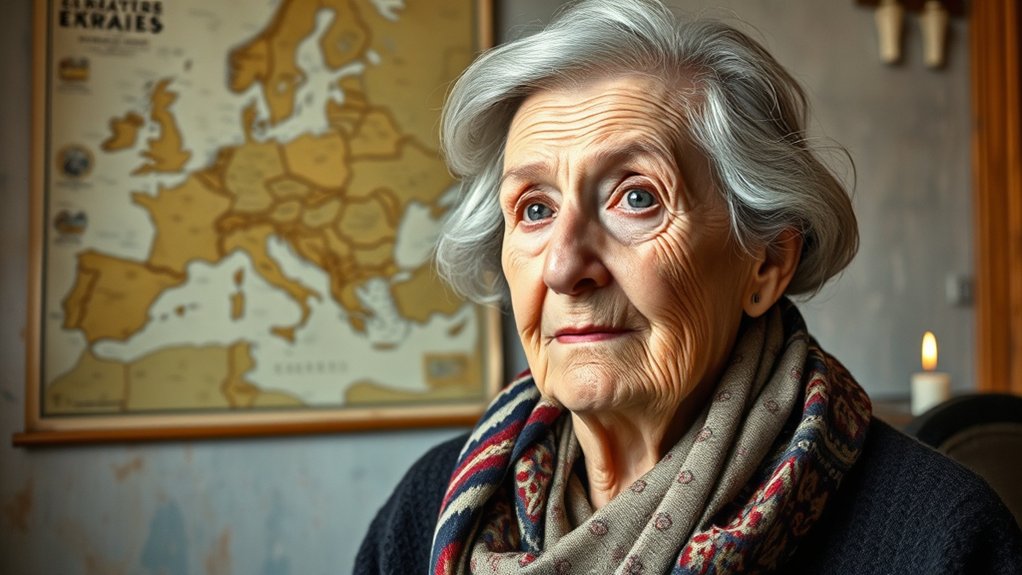
Vienna’s fashion classrooms don’t hold you for long before history tears them apart.
At 19, you flee Austria for the Netherlands with your boyfriend, Hans Stein, believing farm work will shield you from war. When Germany invades Holland, you discover there’s nowhere truly safe. You go underground. Drawing on your training in Vienna, you carry with you a sharp eye for fabric and design even as survival becomes your only focus.
You enter the Dutch Resistance, first in hiding, then in action. After Hans is captured, you still keep fighting.
You assume the identity of a dead woman, carry multiple ID cards taken from murdered camp victims, and live publicly as Red Cross nurse “Lydia Voskoil.”
You speak fluent German and several other languages, so you swim beside Nazi soldiers at a lake, listen, and pass on their plans.
You don’t just spy; you fight. You kill when you must, and you shield your son Michael by placing him in a Christian orphanage, choosing resistance over surrender at every turn.
Love, Loss, and Meeting Eric Flagg
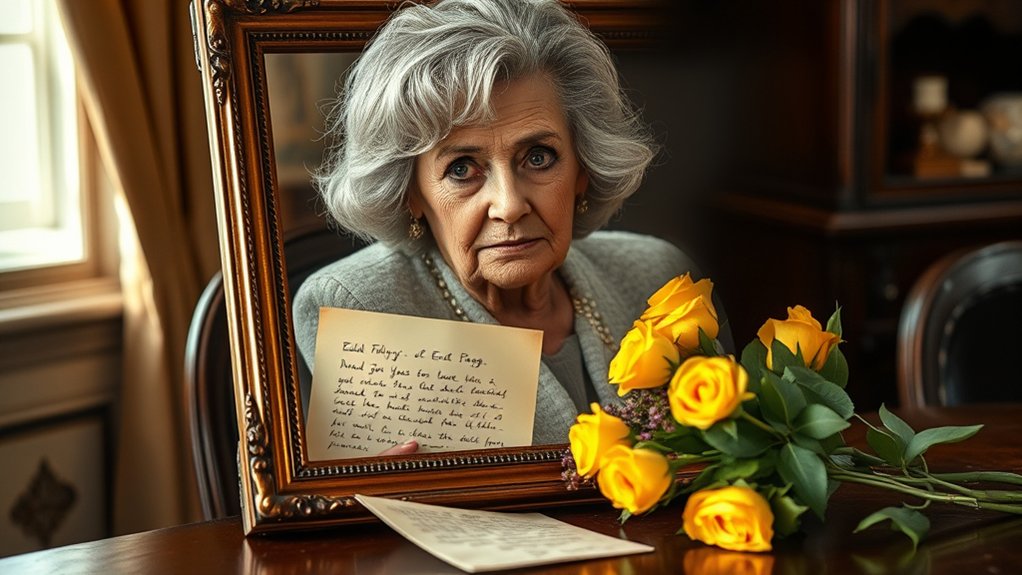
You don’t step from war into peace without paying a price, and for you that price was Hans. You’d married him before the terror escalated in the Netherlands, building a life and mounting quiet resistance together.
When the Nazis caught and murdered Hans in Auschwitz, your first marriage ended in horror, and grief settled over every memory of that brief, brave union. Even as you carried that grief, you would later become a pioneering businesswoman who transformed American fashion with polyester.
Yet survival forced you forward. After the Holocaust, you met Eric Flagg, a man who didn’t erase your past but accepted it. With him, you chose to rebuild, letting love return without betraying what you’d lost.
With Eric, you rebuilt a life where love returned without erasing what war had taken
Your life with Eric created a new center:
- A second marriage rooted in shared purpose, not illusion.
- One son, Michael, who carried both your histories.
- A sole grandson, Josh, symbolizing survival’s continuation.
- A family ethos where closeness honored the dead by fiercely protecting the living.
Building Edith Flagg Inc. in Los Angeles
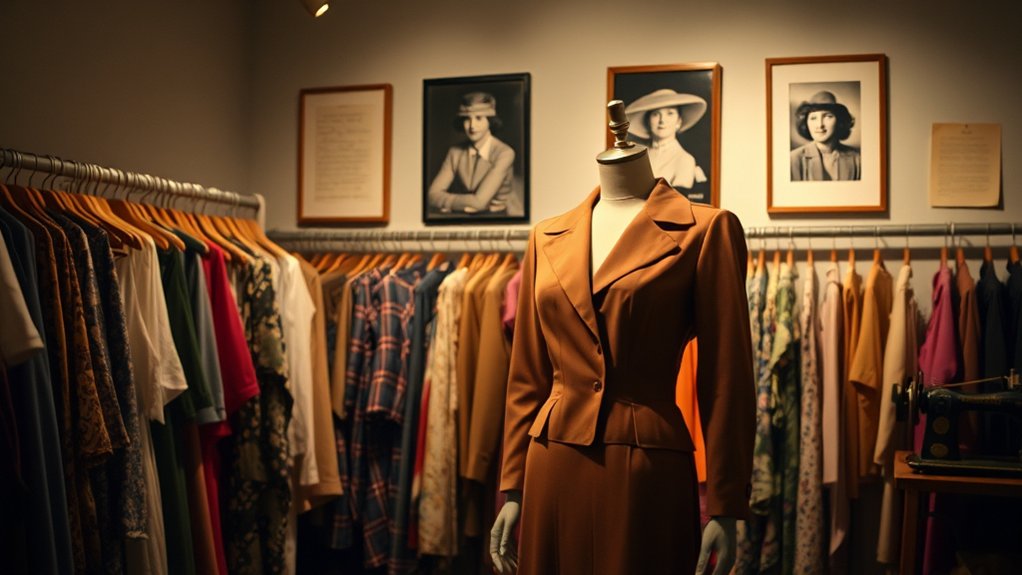
You now watch Edith turn a $2,000 gamble in Los Angeles into a focused fashion house that grew far beyond its small downtown storefront. Drawing on her earlier work as a seamstress in the clothing industry, she built a brand that understood both how garments were made and how they should be presented to the public.
As you follow her story, you’ll see how she used bold innovations in polyester fabrics to reshape what American women wore.
You’ll also track how those fabric breakthroughs fueled a powerful national retail presence that put her label in stores across the country.
Founding A Fashion House
Arriving in Los Angeles’s garment district in 1948 with little more than wartime grit and a seamstress’s wage of 35 cents an hour, Edith Flagg quietly set the foundation for the fashion house that would bear her name.
You watch her move from sewing rooms to costume design and retail counters, studying every link in the garment chain and saving every spare dollar.
By the mid‑1950s, you see her turn that knowledge into Edith Flagg Inc., launched with a modest $2,000 she pooled with her husband Eric.
To build a fashion house from almost nothing, you’d:
- Master each job in the industry.
- Save ruthlessly for independence.
- Start small and family‑run.
- Reinvent as markets and cities open.
Innovating With Polyester Fabrics
Success for Edith Flagg Inc. didn’t just come from hard work in Los Angeles’s sewing rooms; it accelerated when a mid‑1960s buying trip to Switzerland put a strange, wool‑like knit in Edith’s hands—a fabric that didn’t wrinkle, no matter how it was crushed. You see her test it, hear a clerk casually mention a new English fiber, and realize you’re watching a revolution begin.
Back in Los Angeles, you’d watch her import that polyester and build collections around it, turning wrinkle‑resistant knits into a signature.
| Innovation Focus | What Edith Did | Why It Mattered |
|---|---|---|
| Fabric discovery | Spotted polyester knit | Saw fashion potential first |
| Import strategy | Brought fiber to U.S. | Opened new textile pipeline |
| Design use | Built polyester lines | Differentiated her brand |
| Market education | Explained benefits | Won over skeptical buyers |
| Industry role | Became polyester pioneer | Helped shift American fashion |
Expanding National Retail Presence
Momentum from that polyester breakthrough didn’t stay confined to a single Los Angeles sewing room; it pushed Edith Flagg Inc. outward, city by city, until a small family‑funded dress shop became a national brand.
You move from that $2,000 downtown storefront to a network of offices in New York, Chicago, Atlanta, and Cleveland, with showrooms in Los Angeles, San Francisco, Dallas, and Charlotte driving national orders.
To see how that retail footprint grew, picture four decisive moves:
- Use synthetic fabrics to court major department stores.
- Place offices in the biggest U.S. fashion markets.
- Add showrooms so buyers can touch wrinkle‑resistant knitwear.
- Build a Hong Kong factory to meet volume and protect quality.
How Edith Flagg Brought Polyester to America
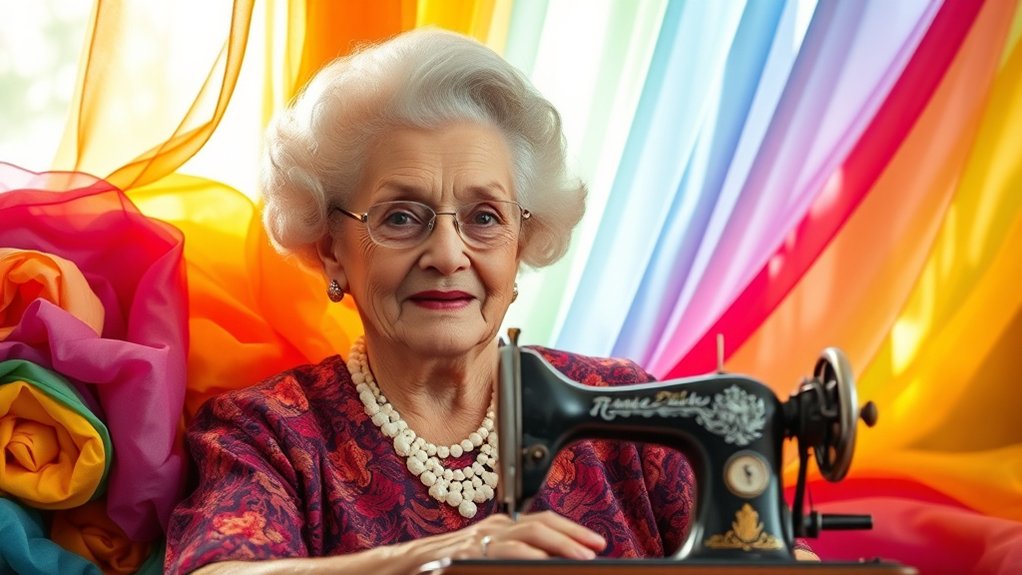
During a mid-1960s buying trip to Europe, Edith Flagg spotted a curious knitted fabric in a small Swiss shop that looked like wool but refused to wrinkle, a discovery that would change American fashion. You’d later know it as Crimplene, a polyester fiber first used in British parachutes and uniforms.
Flagg traced it to its English makers, secured exclusive U.S. distribution, and struck a special deal with DuPont, gaining both import rights and advertising muscle.
You see how bold she was: instead of treating polyester as a novelty, she framed it as liberation for busy American women—wash‑and‑wear, iron‑free, and dirt‑disguising.
She spoke seven languages, worked European trade shows, and turned that knowledge into well‑cut shift dresses, early pantsuits, and double‑knits regular women could afford.
From a modest Los Angeles storefront, she built an international design house, proving polyester could be chic, profitable, and here to stay.
Family, Million Dollar Listing, and Her Later Years

Family anchored Edith Flagg’s world as firmly as business ever did, and in her later years you watched that private loyalty spill into public view.
After surviving war and loss, she built a tight-knit family with her second husband, Eric Flagg, and their son, Michael. That bond later extended to her grandson, Josh, whose real estate career drew her into unexpected celebrity.
Through Josh, you see Edith step into the spotlight on *Million Dollar Listing Los Angeles*. Sitting beside him, she shared sharp opinions, wry humor, and the famous story of spotting polyester in Switzerland, connecting her fashion success to his property deals.
Beside Josh on Million Dollar Listing, Edith blended sharp wit, polyester lore, and quiet, hard-won wisdom
On the show and off-camera, you’d notice:
- She backed Josh’s ambitions while keeping him grounded.
- She treated TV fame as secondary to family.
- She used stories, not lectures, to guide.
- She insisted on dignity, even in lighthearted moments.
Philanthropy, Net Worth, and Her Lasting Legacy

Even as you watched Edith tease Josh on camera and anchor her family off-screen, she quietly channeled the same intensity into giving much of what she’d built away.
After retiring from fashion in 2000, she shifted her energy toward philanthropy, especially Jewish causes and medical research. She supported the United Jewish Welfare Fund and Jewish educational charities, served on the board of City of Hope with her husband, and focused on funding hospitals and research.
Even the proceeds from her biography, *A Simple Girl*, went to the Jewish Federation.
Her wealth came from Edith Flagg Inc., the dress business that helped popularize polyester in America and earned her the nickname “polyester queen.”
Buying a record-setting Century Towers apartment in 1976 reflected that success, later tied to “hidden wealth” speculation.
Her true legacy, though, rests in Holocaust survival, resistance work, philanthropy, and the family that keeps her story public.
Frequently Asked Questions
What Languages Did Edith Flagg Speak Throughout Her Life?
She spoke German, Romanian, Dutch, English, and likely some Yiddish. You see her move from Vienna to Romania, then the Netherlands, then America, so you’d naturally pick up each country’s language to survive and thrive.
Did Edith Flagg Receive Any Notable Awards or Formal Recognitions?
You won’t find clear records of major awards for Edith Flagg. You should highlight her achievements, survival, and philanthropy instead, and note that available sources don’t document specific formal honors or industry recognitions.
How Did Edith Flagg Balance Motherhood With Running a Fashion Empire?
You see her balance motherhood and business by keeping one child central, involving family in her company, mentoring her son and grandson, delegating operations, then shifting to philanthropy and media, proving you can reshape roles across decades.
Are There Museums or Exhibits Featuring Edith Flagg’s Designs Today?
You won’t find any museums or current exhibits dedicated to Edith Flagg’s designs today. Her polyester innovations likely survive only in private collections and media archives, not in documented institutional fashion or textile holdings.
What Personal Habits or Routines Did Edith Flagg Credit for Her Longevity?
You’d credit Edith’s longevity to constant movement, purposeful work, and community. She stayed active, worked in fashion then philanthropy, engaged socially, appeared on TV, attended events, and kept a sharp, resilient mind shaped by wartime survival.
Conclusion
As you look back on Edith Flagg’s life, you see more than her age at death; you see a survivor, innovator, and devoted matriarch. She turned trauma into strength, business into legacy, and success into generosity. Her journey from war-torn Europe to American fashion icon proves you can reinvent yourself at any stage. When you remember Edith, you don’t just recall how old she was—you remember how fully she lived.