Are All Flower Petals Edible? What You Need to Know
No, you can’t assume all flower petals are edible. Some are safe and tasty, but many contain toxic alkaloids or glycosides that can harm you or your pets. Always identify the exact species, use only petals (remove stamens, pistils, and bitter white bases), and buy from organic or culinary sources, not florists. Popular edible options include roses, violets, hibiscus, nasturtium, and calendula. With a few key rules, you can safely explore which blooms belong on your plate.
Key Takeaways
- No, not all flower petals are edible; many common ornamentals contain toxic compounds that can cause vomiting, heart issues, or worse.
- Only eat flowers positively identified as safe, ideally those with a culinary history and sourced from organic gardens or food-grade suppliers.
- Avoid petals from lilies of the valley, foxgloves, oleanders, daffodils, azaleas, rhododendrons, hydrangeas, hyacinths, clematis, and other known toxic species.
- Even with edible flowers, remove stamens, pistils, calyx, and bitter white petal bases, and watch for allergies or sensitivities.
- Thoroughly rinse flowers, avoid pesticide- or roadside-exposed plants, and seek immediate medical help if toxic flowers are ingested.
Are Flower Petals Safe To Eat? Key Rules
How do you know if a flower petal belongs on your plate instead of just in a vase? You start by treating it like any other ingredient. It must be non‑toxic, free of harmful alkaloids or glycosides, and grown without pesticides that aren’t approved for edible use. Because some flowers, like foxglove and oleander, are highly toxic, you should always cross‑check them against a trusted edible flowers list before eating.
Source petals from organic gardens or culinary suppliers, not florists, roadways, or mystery bouquets.
Focus on petals only. For most flowers you’ll remove the bitter white heel, plus stamens, pistils, and the calyx.
Taste matters too: edible petals should offer pleasant flavors, from sweet and floral to lightly spicy or bitter.
Verify each species before eating. Check scientific names, confirm it’s the specific edible part (like tuberous begonia petals only), and look for a history of culinary use, as with hibiscus or elderflower.
Rinse petals briefly, then introduce them in small amounts to watch for any allergy or sensitivity.
Toxic Flowers And Parts You Must Avoid
Once you know the basics of choosing safe petals, you also need a clear mental blacklist of flowers and plant parts that never belong on your plate. Some ornamentals don’t just upset your stomach; they target your heart and nervous system. Many of these toxic flowers have evolved these defenses specifically to deter herbivores and insect pests, making their poisonous compounds a survival advantage in the wild.]
Lily of the valley, foxglove, and oleander all contain cardiac glycosides that can slow your heartbeat, blur vision, trigger collapse, and be fatal. If anyone ingests them, seek medical help immediately.
Other common garden beauties hide powerful alkaloids. Monkshood, angel’s trumpet (Brugmansia), autumn crocus, daffodils, and tulips can cause intense vomiting, diarrhea, heart problems, hallucinations, or even death, especially from bulbs, roots, tubers, and seeds.
Shrubs like azaleas and rhododendrons contain grayanotoxins that endanger pets and can even taint honey.
Hydrangea, hyacinth, clematis, and hellebore bring risks ranging from skin burns and mouth ulcers to cyanide release in large quantities. Never experiment with these as “garnishes.”
Safe Edible Flower Petals (With Examples)
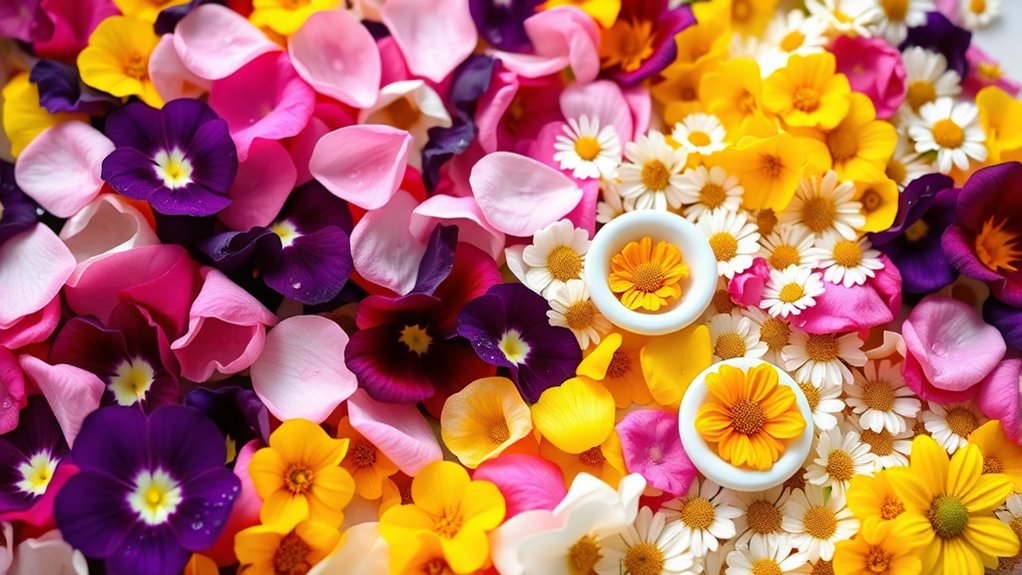
Dozens of familiar garden blooms offer petals you can treat like herbs or salad greens, as long as you’re sure of their identity and how they’ve been grown. Roses (especially fragrant heirloom or Rugosa types) give you sweet petals for jams, syrups, or ice cream. Hibiscus lends a vivid red, cranberry-citrus punch to teas and fruit salads, while violets and carnations contribute gentle, dessert-friendly sweetness. For safety, always consult experts or trusted references before eating any flowers to avoid toxic look-alikes and inedible parts.
You can also rely on “flowering herbs” and vegetable blossoms. Chive, basil, thyme, and borage flowers echo their parent plants’ flavors, and zucchini blossoms offer a mild, versatile base. Calendula, nasturtium, and marigold petals add bright color and subtle spice.
| Flower Type | Typical Flavor | Common Uses |
|---|---|---|
| Roses, Violets | Sweet, floral | Jams, desserts, garnishes |
| Hibiscus, Begonia | Tart, citrusy | Teas, salads, sauces |
| Nasturtium, Chive | Peppery, onion-like | Savory dishes, salads |
| Calendula, Marigold | Mild, slightly spicy | Baking, rice, garnishes |
How To Prepare And Cook Edible Flowers
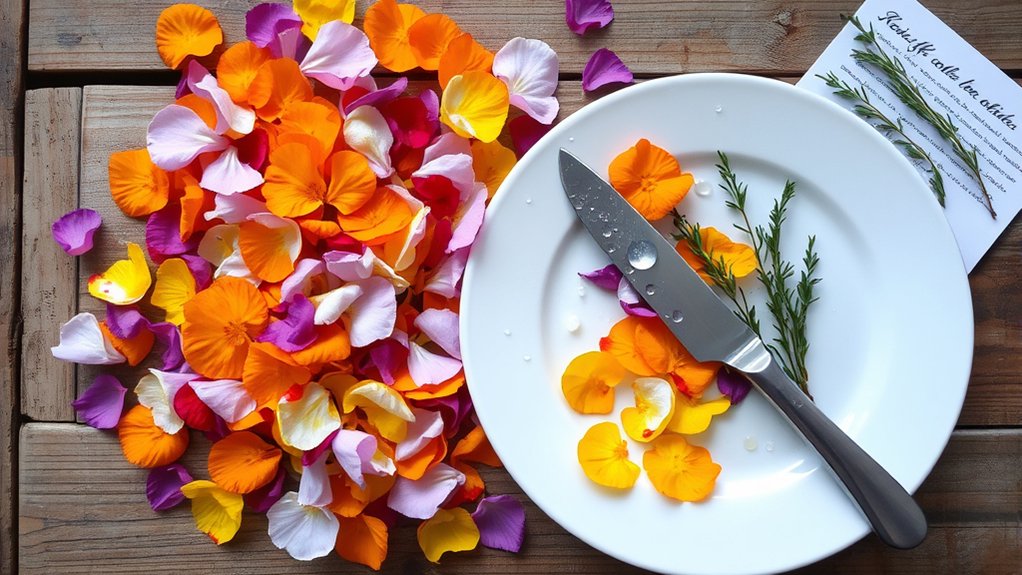
Treat edible flowers like delicate produce: they need careful cleaning, simple prep, and just enough cooking to highlight their color and flavor without turning them limp. A glossary of “flower flavor” profiles can help you choose blooms that match your dish, since different petals offer distinct flavor notes.]
Fill a bowl with lukewarm water, soak the blooms for a few minutes, and gently rotate them. Drain in a strainer, repeat if needed, then lay them on a sheet pan and pat dry with paper towels. Use tweezers if you want extra control.
For longer storage, dry organic petals like roses. Press or air‑dry them as you’d herbs, then keep them sealed for later baking or infusions with lavender or rose.
Prep by removing flower heads and reserving stalks for drinks. Chop nasturtium, borage, or pansies into soft goat cheese, then chill the flower‑rolled rounds.
Use whole blossoms in salads, garnish chilled soups, or sauté and stuff daylily buds, lightly fry chrysanthemum petals, infuse cream with chamomile, or simmer flowers into jams.
Health, Allergy, And Pet Risks To Know
Although edible flowers feel light and pretty on the plate, they carry real health, allergy, and pet risks you shouldn’t ignore. Some blooms, like borage, contain pyrrolizidine alkaloids above 88,000 µg/kg dry weight—far beyond EU limits—linked to liver damage, neurological issues, and cancer. Tropane alkaloids, plus antinutrients such as phytate, can upset your digestion and reduce mineral absorption. Contaminants like dimethoate, sulfites, cadmium, and lead add extra strain. Because fresh edible flowers are largely unregulated, safety monitoring can be inconsistent compared with herbal teas and supplements.
| Risk Type | What Can Happen | Key Example |
|---|---|---|
| Toxins | Nausea, vomiting, DNA and liver damage | PAs in borage, TAs in organics |
| Allergies | Rash, rhinitis, swelling, breathing issues | Sensitive individuals, children |
| Pets | Heart failure, death | Oleander, Lily of the Valley |
| Contaminants | Heavy-metal buildup, pesticide effects | Cd, Pb, dimethoate, sulfites |
| Pathogens | Diarrhea, fever, infection | Salmonella, E. coli, S. aureus |
You should introduce flowers slowly, watch for reactions, and keep toxic species far from pets.
Frequently Asked Questions
Can I Forage Edible Flowers in the Wild, and How Do I Start Safely?
You can, but you must start cautiously. Learn scientific names, use regional foraging guides, avoid roadsides and sprayed areas, eat only verified petals, introduce tiny amounts first, and skip foraging if you’re pregnant, nursing, or pollen‑allergic.
Do Edible Flowers Lose Flavor or Color When Dried or Stored Long Term?
They can, but you’ll limit losses with gentle methods. Air- or freeze-dry flowers, then store them briefly in paper bags, cool and dark. Add them late in cooking so you don’t cook off delicate aromas and colors.
Are There Cultural Cuisines That Traditionally Use Edible Flowers in Everyday Dishes?
Yes, you’ll find them everywhere. You regularly see lilies, hibiscus, butterfly pea, cherry blossoms, zucchini blossoms, roses, elderflower, calendula, lavender, saffron, nasturtium, chamomile, sunflowers, broccoli flowers, pansies, and violets in everyday traditional dishes.
How Can I Grow My Own Edible Flowers in a Small Garden or Balcony?
You can grow edible flowers in pots: choose compact roses, nasturtium, calendula, chive, basil, borage. Use organic soil, full sun, regular watering. Harvest morning blooms, rinse gently, refrigerate briefly, and verify each species’ safety before eating.
What Tools or Special Equipment Help When Working With Delicate Flower Petals in Recipes?
You’ll handle delicate petals best with tweezers, lukewarm water, a strainer, and paper‑towel‑lined trays. Use fine piping tips, ball tools, pastry brushes, acetate sheets, cornstarch‑dusted molds, and superfine sugar to shape, coat, and dry them neatly.
Conclusion
You don’t have to skip flowers on your plate, but you do have to be careful. Always confirm a flower’s identity, know which parts are safe, and avoid anything sprayed with chemicals. Start with well-known edible varieties, prep them gently, and introduce them to your diet slowly to watch for allergies. Keep pets in mind, too. When you follow these rules, you can enjoy flowers as beautiful, flavorful, and safe additions to your meals.