What Led Zeppelin Song Did Puff Daddy Sample? The Full Story
Puff Daddy sampled Led Zeppelin’s 1975 epic “Kashmir” and turned it into the 1998 rap‑rock single “Come With Me” for the Godzilla soundtrack. You’re not just hearing a loop; Jimmy Page came in to replay and expand his famous riff, with a 40‑piece orchestra and extra guitars from Tom Morello. The track tried to fuse hip‑hop and stadium rock, sparked backlash, and became a controversial chapter in Zeppelin’s legacy that you can unpack further.
Key Takeaways
- Puff Daddy sampled Led Zeppelin’s 1975 epic “Kashmir” for his 1998 single “Come With Me,” made for the Godzilla movie soundtrack.
- Jimmy Page re-recorded the iconic “Kashmir” riff in the studio, officially endorsing and participating in the transformation into a rap-rock track.
- “Come With Me” loops and amplifies the “Kashmir” riff with added guitars, a 40-piece orchestra, and Puff Daddy’s rap vocals.
- The collaboration was showcased live on SNL in 1998, where Puff Daddy performed “Come With Me” with Jimmy Page on guitar.
- Despite high-profile backing, “Come With Me” drew backlash as an overblown, unsuccessful reimagining of “Kashmir,” often cited as a cautionary crossover attempt.
Kashmir,” “Come With Me,” and the Godzilla Soundtrack
Long before Puff Daddy stalked a Manhattan rooftop alongside a CGI lizard, Led Zeppelin’s “Kashmir” had already laid the groundwork for that unlikely mash‑up of rap, rock, and blockbuster cinema. Released in 1975, “Kashmir” gave you a towering template: Jimmy Page’s riff, orchestral weight, and an epic sense of scale that begged for spectacle. As part of this crossover experiment, Page even joined Puff Daddy for a heavily promoted SNL performance on May 9, 1998, where they played “Come With Me” with a 40‑piece orchestra.
By the late ’90s, it looked like a perfect candidate for commercial reinvention. When the 1998 Godzilla reboot needed a flagship single, you got “Come With Me,” built directly on “Kashmir”’s foundation. Page didn’t just sign off on the sample; he stepped into the project as a featured guitarist, giving the whole thing an official Zeppelin stamp.
Epic Records and Sony positioned the track as a multi-format juggernaut for Godzilla: The Album, aiming squarely at radio, MTV, and the global box office, with rock history repurposed as marketing fuel.
How “Come With Me” Rebuilt “Kashmir” as Rap-Rock
Even before the CGI rubble starts flying in the “Come With Me” video, you can hear how the track tears “Kashmir” down to its studs and rebuilds it as rap‑rock spectacle. You’re not just hearing a looped sample; you’re dropped into a full‑scale reconstruction.
The iconic 1975 riff anchors everything, but Jimmy Page doubles it with fresh, live guitar, while Tom Morello layers in additional guitar and bass to thicken the blow. By the late ’90s, many rock loyalists already regarded Led Zeppelin’s original as an untouchable classic, which is why Puff Daddy’s decision to rework Kashmir drew such polarized reactions.
Page’s live riffs and Morello’s layered crunch turn the classic groove into a sledgehammer.
You feel the orchestral blasts turn Zeppelin’s slow‑burn tension into something crass, lumbering, and blockbuster‑sized, perfectly in step with the Godzilla branding.
Puff Daddy raps over it like a conquering general, staking a claim in rock territory while still operating inside a hip hop framework. The result aims to bridge genres: a strange rap‑rock hybrid that treats “Kashmir” not as sacred text, but as raw material for a bombastic late‑’90s crossover event.
Inside the “Come With Me” Sessions With Jimmy Page
What you hear in “Come With Me” – that oversized, weaponized version of “Kashmir” – came out of unusually hands‑on studio work with Jimmy Page himself. You’re not just hearing a cleared sample; you’re hearing Page walk back into his own 1975 riff and re-energize it for a 1998 blockbuster.
Once Puff Daddy secured “Kashmir” for the Godzilla soundtrack, Page didn’t stay on the sidelines. He plugged in, replayed the iconic figure, and layered new guitar parts over the rebuilt track.
You can picture the sessions as a collision of worlds: Puff Daddy steering the production and rap vocals, Page and Tom Morello trading guitar ideas, Morello also holding down bass, and an orchestra swelling around the resurrected “Kashmir” motif.
The sample of the original hook formed the backbone, but those live overdubs and heavy strings pushed the song into full rap‑rock spectacle, tailored for maximum multi‑format impact.
SNL, the Video, and “Come With Me” Live
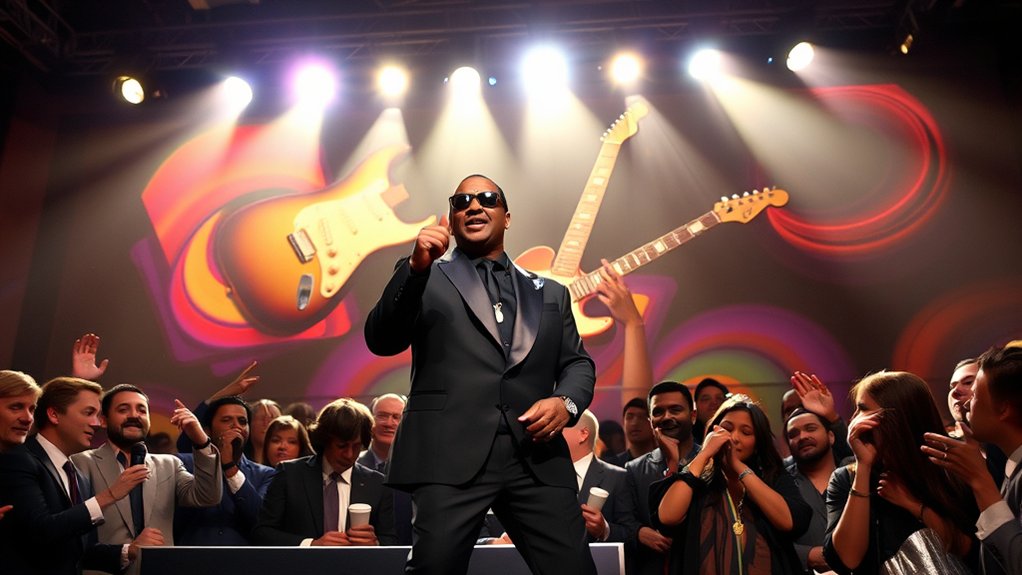
Although “Come With Me” already sounded massive on record, it didn’t fully turn into pop‑culture spectacle until Puff Daddy and Jimmy Page dragged it onto screens and stages in 1998.
On the May 9 episode of Saturday Night Live, you saw Page on guitar, Puffy stalking the stage, and a full band hammering that “Kashmir” A‑section riff while orchestral hits exploded around them. The live blend of rap vocals and Zeppelin thunder aimed for rap‑rock fusion, but clashing styles and shaky execution made the performance infamous.
On video, the concept landed more cleanly. In the official clip, shot to promote Godzilla: The Album, you watch Puffy and Page framed by widescreen city‑level destruction, the orchestra and riff pushed even bigger.
Puffy restructures “Kashmir,” keeping the B section and junking the rest, while Page, who’d approved the arrangement, leans into the nostalgia that powered this multi‑format crossover bid.
Backlash and the “Come With Me” X “Kashmir” Legacy
Once the Godzilla dust settled, “Come With Me” quickly shifted from blockbuster bid to cautionary tale, with critics hammering it as a bloated, lurching cash‑in on “Kashmir” rather than a bold rap‑rock bridge. You saw reviewers frame it as mirroring the film: overhyped, oversized, and oddly empty. Instead of praising the Page cameo and orchestral heft, they fixated on how clumsily the “Kashmir” backbone had been repurposed. The backlash hit even harder given that it anchored the high‑profile Godzilla soundtrack and briefly dominated MTV rotation.
To picture the backlash and legacy, you can track three overlapping stories:
To map the backlash and legacy, follow three intertwining threads of failure, friction, and reluctant nostalgia
- Critical drag: Writers accused the track of butchering “Kashmir,” arguing the rap and rock elements never truly mesh.
- Commercial chill: Despite Godzilla branding and star power, it underperformed expectations and felt like pure exploitation.
- Legacy asterisk: When you revisit “Kashmir” now, you often bump into “Come With Me” debates—an infamous 90s crossover that shows how risky touching Zeppelin’s peak can be.
Frequently Asked Questions
Did Puff Daddy Need Special Legal Clearance From Led Zeppelin to Sample “Kashmir”?
Yes, he did, and he got it. You’d see Jimmy Page’s blessing, performance, and songwriting credit as proof. When you sample “Kashmir” at that scale, you must secure clearance from the key rights holders.
How Did Led Zeppelin Fans Initially React Compared to Puff Daddy’s Fanbase?
You’d see Zeppelin fans slam “Come With Me” as a crass, lumbering butchery of “Kashmir” and Page’s SNL cameo, while Puff Daddy’s crowd embraced it as a multi-format smash, celebrating its strong global chart success.
Were Any Alternate Versions or Remixes of “Come With Me” Officially Released?
Yes, you got several official “Come With Me” versions: Tom Morello Mix with new guitar and bass, Apollo 440’s Electronic/Dance remix, and the Tony Montana Remix, all released internationally alongside the main single in 1998.
Did “Come With Me” Influence Later Film Soundtrack Approaches to Rap-Rock Crossovers?
You can’t reliably say it did. Available sources don’t show clear influence on later film rap‑rock soundtracks. You’d need industry commentary and comparative soundtrack studies before claiming “Come With Me” shaped subsequent crossover approaches.
Has Puff Daddy Ever Sampled Other Led Zeppelin Songs Besides “Kashmir”?
No, you won’t find Puff Daddy sampling any other Led Zeppelin tracks. You’re only getting “Kashmir,” reworked as “Come with Me” for the 1998 Godzilla soundtrack, with Jimmy Page directly involved and officially credited.
Conclusion
You leave the story seeing “Come With Me” as more than a simple Led Zeppelin sample. You’ve watched “Kashmir” get rebuilt for blockbuster rap‑rock, Jimmy Page step into a glossy late‑’90s spotlight, and SNL and the video turn a soundtrack cut into an event. You also see why purists pushed back—and how that tension helped lock both tracks together as a strange, loud, unforgettable pop‑culture crossroads.