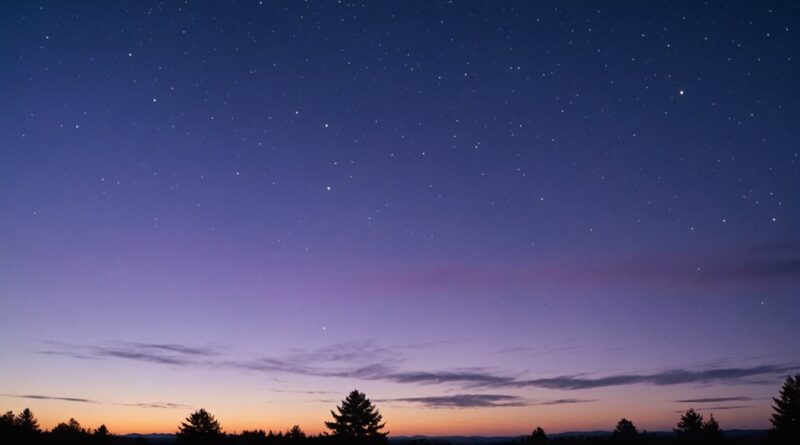
What Is a Simile for the Sky? Examples and How to Use Them
A simile for the sky compares it to something familiar using “like” or “as,” so your reader instantly feels its color, mood, and size. You might say, “The sky was like a calm ocean,” “Clouds drifted like sleepy pillows,” or “The noon sky shone like polished gold.” Use bright, gentle images for happy scenes and darker, heavier ones for storms. You’ll soon see how the right comparison can completely transform your descriptions.
Key Takeaways
- A simile for the sky is a comparison using “like” or “as,” such as “The sky was like a painted canvas.”
- Similes describe different skies—bright, stormy, or calm—by matching the comparison to the scene’s mood and emotion.
- Common sky similes include “as endless as the ocean,” “like a fluffy blanket,” and “as bright as a diamond.”
- To craft original sky similes, observe color, clouds, and light, then compare them to familiar things like oceans, fire, or soft fabric.
- Use sky similes sparingly; choose clear, vivid comparisons that enhance imagery without confusing or overwhelming the reader.
What Is a Simile for the Sky?

You’re free to tap into emotion and imagination as well, using phrases like “a mirror of the soul” or “as wide as imagination” to link the sky to inner life and creativity. In many similes, the sky is compared to vast natural spaces, such as oceans or horizons, to emphasize its endlessness and mystery.
Simile vs. Metaphor for Describing the Sky
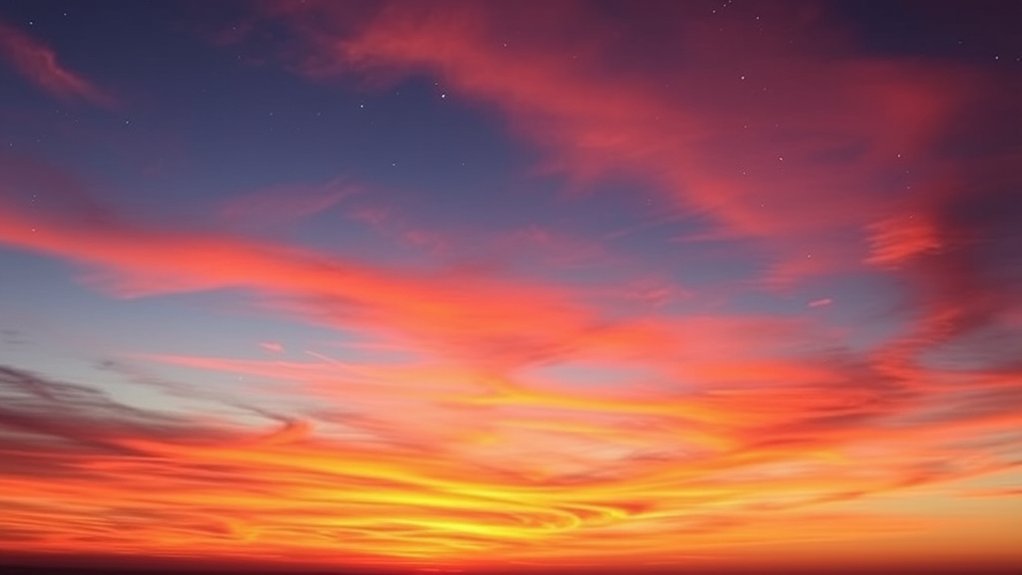
As you experiment with sky similes like “a mirror of the soul” or “as wide as imagination,” it helps to see how they differ from metaphors that describe the same scene. With similes, you signal comparison through “like” or “as”: you might write, “The sky is like a canvas,” or “The sky spreads out as wide as the ocean.” You point to resemblance and invite the reader to notice it. When you switch to metaphor, you drop those connectors and state an identity: “The sky is a canvas,” or “The sky is a blue ocean.” Now the sky doesn’t just resemble something; it becomes it on the page. Because sky similes draw on such a wide range of imagery—from canvases and oceans to blankets and rivers—they’re especially useful for matching the mood of your scene. Similes feel measured and explanatory, ideal when you want clarity about color, size, or movement. Metaphors feel bolder and more immersive, better when you want the sky’s emotional weight to hit your reader immediately.
Classic Sky Similes and Their Meanings
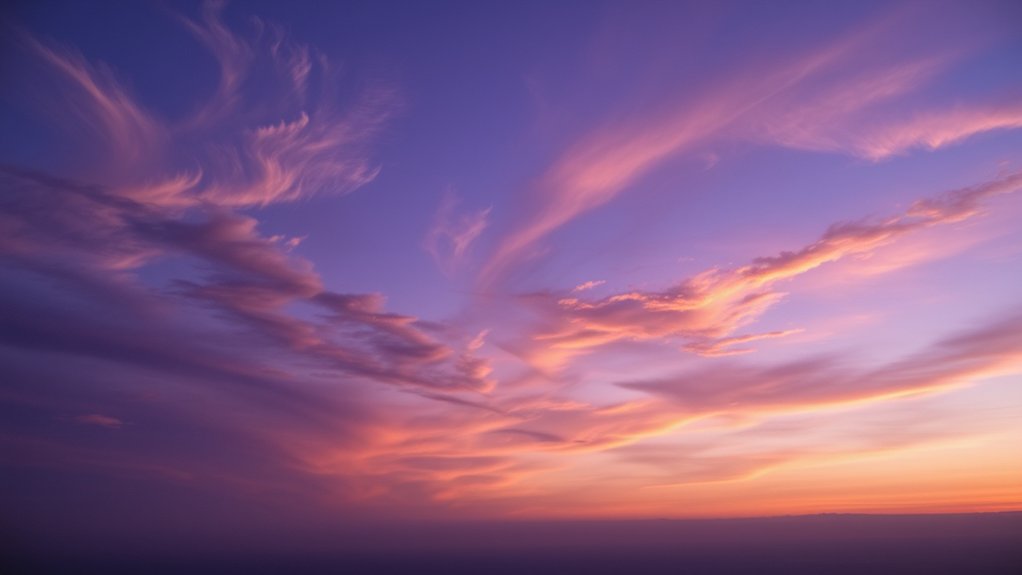
When you use classic sky similes, you tap into timeless comparisons that instantly suggest size, color, and feeling.
You can treat the sky as endless as the ocean, mysterious as a locked door, or restless as a sea to shape a reader’s mood in a single line.
As you interpret each image, you’ll see how “fiery,” “changeable,” or “smoke-like” skies quietly steer a scene toward hope, tension, calm, or wonder. Writers often compare the sky to shifting weather moods—like a mood ring or a “restless cat”—to capture how quickly feelings and forecasts can turn.
Timeless Descriptive Comparisons
Although the sky keeps changing above you, timeless similes anchor its shifting moods in familiar images. When you say the sky’s “as endless as the ocean” or “as wide as your imagination,” you immediately express vastness without lengthy description. A “sky like a vast canvas” suggests space ready for color, story, or storm. Just as writers use similes to describe beauty (“beautiful like a sky full of stars”), you can borrow that same star-filled imagery to make any sky feel vivid and alive.
Use classic comparisons to highlight different qualities:
- Vastness: “Sky as boundless as the horizon” or “vast like a balloon floating high” stresses unending stretch.
- Mystery and turbulence: “Sky like silver smoke” or “like a restless sea” hints at secrets and motion.
- Beauty and renewal: “Sunset sky like burning fire” or “sky clear and fresh after a storm” captures glowing beauty and calm return.
Interpreting Imagery and Mood
Sky similes don’t just describe what you see; they reveal how the sky feels and what it suggests beneath the surface. When you call the sky “as endless as the ocean” or “a blue dome,” you’re stressing vastness and the sense that anything’s possible.
If you describe a “stormy sky” or a “sky like a mirror of your soul,” you’re inviting readers to read emotions in the clouds—turmoil, joy, or shifting moods. “A sky as bright as a diamond” or “clear blue after a storm” signals clarity, relief, and hope. In some kinds of writing or therapy, the sky can even stand in for an unchanging self that simply watches all those shifting clouds of thought and feeling pass by.
Night images—“a soft blanket,” “a locked door,” or “a restless sea”—blend comfort with mystery.
Dynamic similes, like weather “like a kaleidoscope,” emphasize constant change.
Similes for a Bright, Sunny Sky
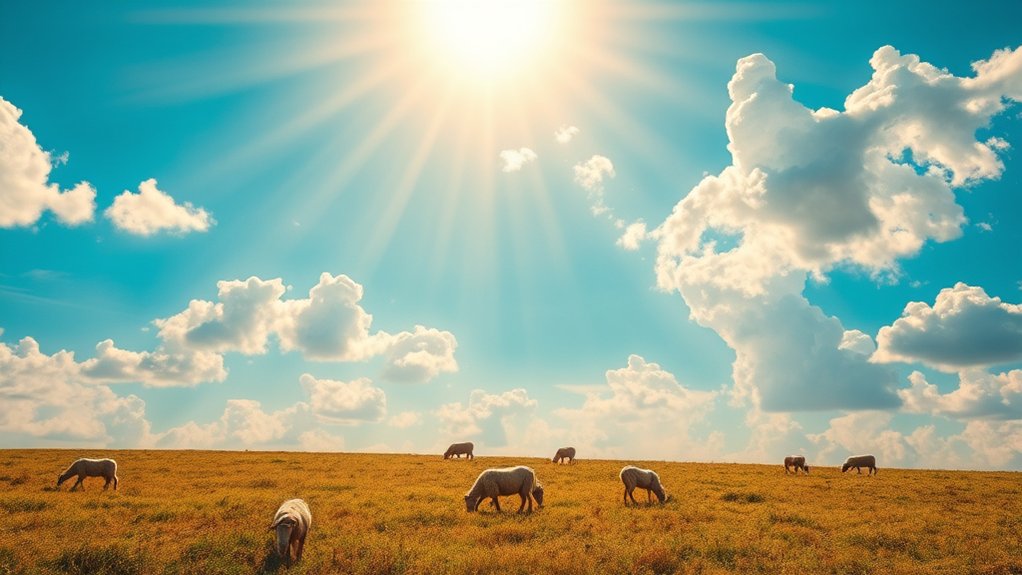
When you want to capture a bright, sunny sky, you’re really describing two things at once: its golden midday brilliance and its crystal-clear blue radiance.
You might picture a sky as golden as honey at noon or as bright as a new penny, then switch to images as sharp and clear as a diamond or a polished gem.
In this section, you’ll see how these different comparisons help you pin down exactly what kind of sunny sky you have in mind.
Golden Midday Brilliance
At midday, the sky often blazes with a brilliance so intense it begs for golden comparisons: it can gleam as bright as a diamond, radiate with a honey‑like warmth, or crown the world in royal light.
When you want to capture this intensity, reach for similes that highlight clarity, warmth, and majesty all at once.
You might describe sunlight “as bright as a diamond,” emphasizing sharp, sparkling reflections on windows or water. To suggest warmth and richness, compare the sky to “golden honey” pouring over fields or city streets. For grandeur, imagine the world wearing “a golden crown” of light.
Use similes like:
- “The noon sky shone like polished gold.”
- “The horizon glowed like molten gold.”
- “Sunlight crowned the town like royal gold.”
Crystal-Clear Blue Radiance
Even before you reach for the right words, a crystal‑clear blue sky almost writes its own similes: it can gleam as bright as a diamond, shine as brilliant as a gem, or glow as bright as hope.
When you want to show pure clarity overhead, say the sky is “as bright as a diamond” to stress sharp brilliance, or “as bright as hope” to reveal how it lifts your mood.
You can also borrow the sun’s radiance. Describe the sun “as bright as a golden coin in the sky” or “as radiant as a diamond reflecting light” to intensify that blue backdrop.
For softer mornings, use “sunrise as bright as a new penny,” letting that fresh shine spill across your clear, open sky.
Similes for Stormy or Moody Skies
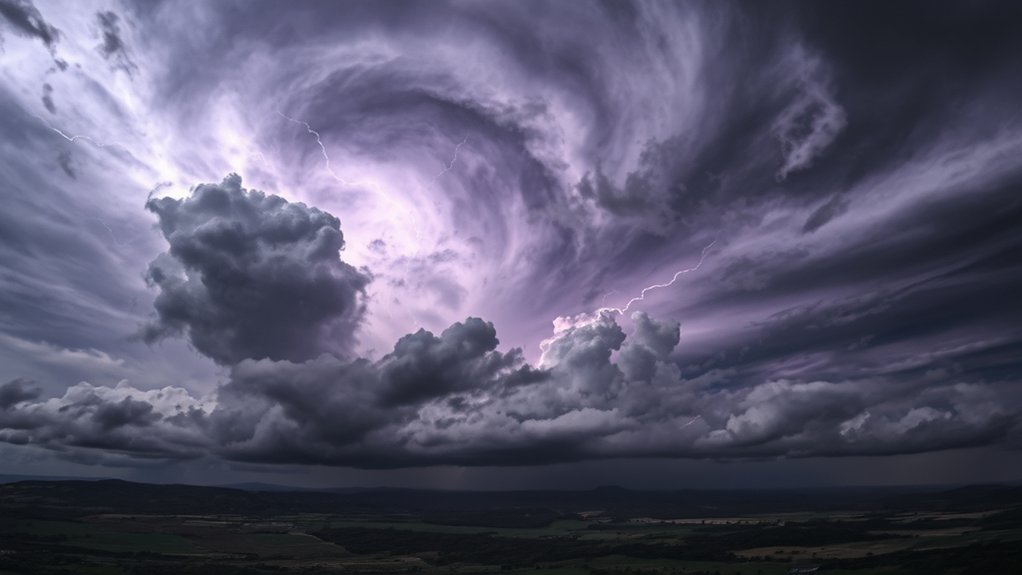
- Use heavy-sky similes to show emotional burdens.
- Use stormy-sky similes to mirror inner conflict.
- Use dark-sky similes to signal looming trouble.
Cute and Comforting Sky Similes for Kids
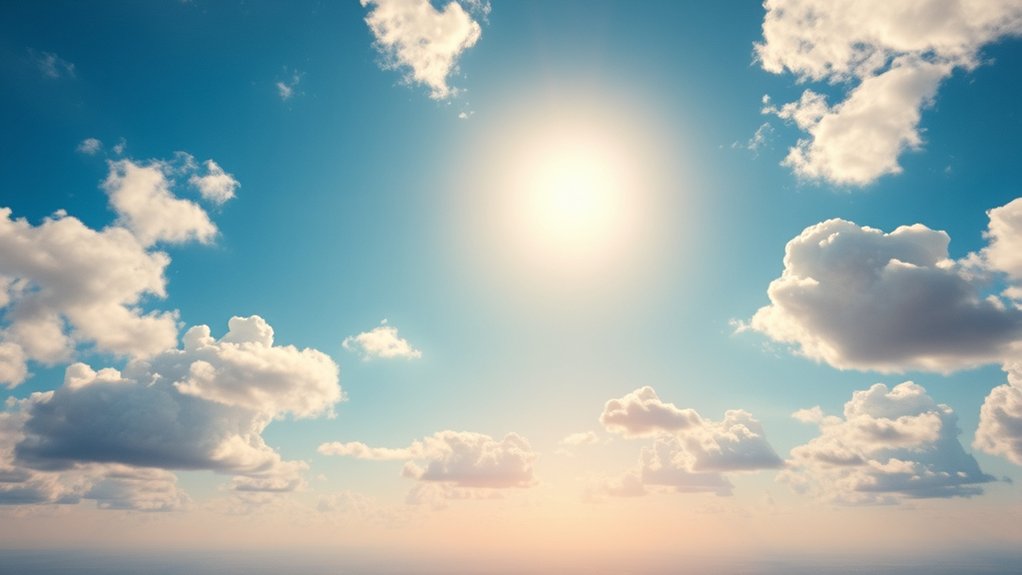
When you use gentle sky comparisons, you turn the sky into something soft and kind, like a giant blue blanket stretched overhead.
You can also imagine cozy cloud images, with clouds like fluffy blankets that feel safe and snug.
In this section, you’ll see how these cute and comforting similes help kids feel calm, happy, and protected when they look up.
Gentle Sky Comparisons
On quiet days, the sky can feel like a gentle friend, wrapping the world in soft colors and calm. When you write similes for kids, you can turn that soft feeling into simple comparisons they’ll remember and enjoy.
Try showing how the sky comforts, soothes, and shines:
- You might say the sky is “like a gentle blanket,” or “the night sky covers the earth like a soft blanket,” to give a sense of safety.
- Compare a dawn sky to “a whisper” or “a gentle breeze” to suggest quiet, peaceful beginnings.
- Describe midday as “blue as a sapphire jewel” or “sparkling like a precious gem” so kids picture a bright, friendly sky that still feels calm.
Cozy Cloud Images
Some skies feel so cozy that the clouds seem more like storybook friends than weather. When you describe the sky for kids, you can turn it into a soft, friendly place using similes.
Try “The sky was like a fluffy blanket,” to suggest warmth and safety, or “Clouds drifted like sleepy pillows,” to evoke bedtime calm.
Imagine smiling cloud illustrations in pastel watercolor skies—those cute faces help kids feel the sky’s kindness. You can echo that: “Clouds lined up like giggling friends at recess.”
If you’re creating visuals, sites like Freepik and other stock libraries offer pastel, kid-friendly cloud images.
Let those cozy cloudscapes inspire similes that make the sky feel gentle, protective, and wonderfully huggable.
Sky Simile Examples to Borrow
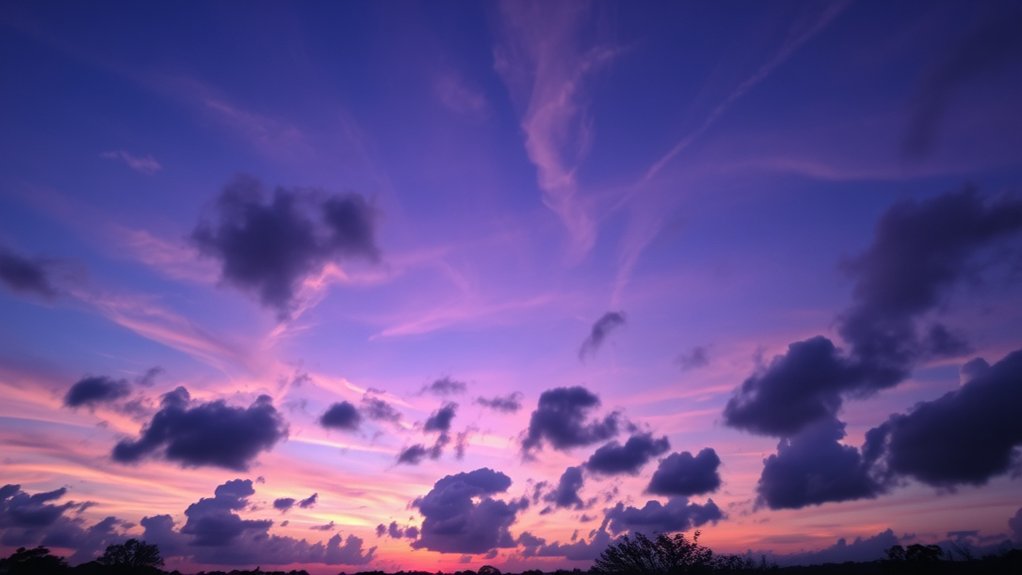
Reaching for a fresh way to describe the sky, you can borrow vivid similes that highlight its vastness, brightness, comfort, reflection, and constant change. You might say the sky’s “as endless as the ocean” or “wide as your imagination” to capture its sheer expanse.
If you want a more artistic touch, call it “a canvas” or “an azure canopy” stretching overhead.
When light steals the scene, compare the sky to “a diamond,” “a burning fire” at sunset, or “a field of scattered diamonds” at dawn. These images sharpen the sense of brilliance and color.
For emotional tone, lean on comfort and reflection:
- “The night sky wrapped around you like a soft blanket.”
- “The sky, a blue dome sheltering the world beneath it.”
- “The sky like a mood ring, shifting with every passing hour.”
Choosing the Right Sky Simile
Once you’ve gathered a few favorite sky similes, the real craft lies in choosing the one that actually fits your scene. Start by matching mood: if your character feels crushed, a sky “as heavy as stone” works better than one “as bright as a diamond.” For joy or hope, lean on brightness; for mystery, try mirrors and reflections; for comfort, choose a soft blanket image.
Next, check context. Dawn invites glowing or glittering comparisons. Night often suits blanket, canvas, or page metaphors. Desert or open water scenes pair well with “as endless as the ocean,” while unsettled weather can become a patchwork quilt or mood ring.
Then align tone and purpose. Decide if you want calm, drama, or quick narrative pace.
Finally, pick the vividness level: simple comparisons keep the prose light, while more symbolic, image-rich similes deepen emotion and emphasize vastness.
Writing Your Own Original Sky Similes
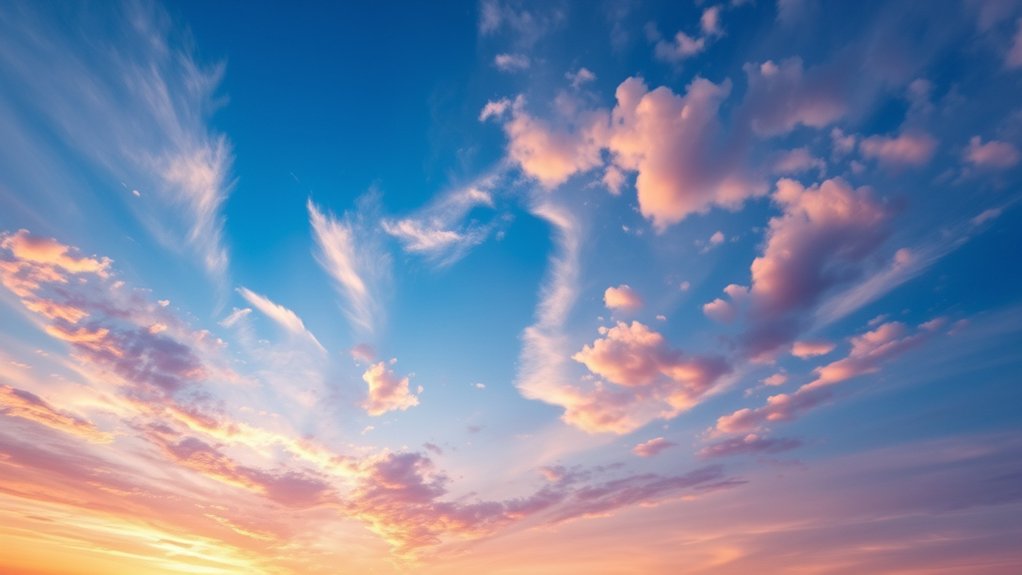
When you’re ready to write your own sky similes, start by really looking up and noticing what’s actually there: color shifts, cloud shapes, the way light moves or fades. Let those details guide you.
Ask what stands out—vastness, calm, stormy tension, fiery color—and name that trait.
Ask what the sky is really doing—brooding, blazing, soothing—and name that mood before you compare it
Next, choose something concrete to compare it to: ocean, canvas, fire, feathers, diamond dust. Then build a clear comparison with “like” or “as.”
- Observe and name: “The sky spread out, vast as an untouched ocean,” or “Clouds bunched like whipped cream on blue porcelain.”
- Combine fresh elements: “Stars scattered like diamond dust over a bowl of ink,” or “The horizon burned like fire stitched across canvas.”
- Test and refine: read your simile in context. Does it sharpen the mood, image, or emotion—hope, fear, wonder? If it doesn’t, tweak the object, the trait, or the wording until it resonates.
Mistakes to Avoid With Sky Similes
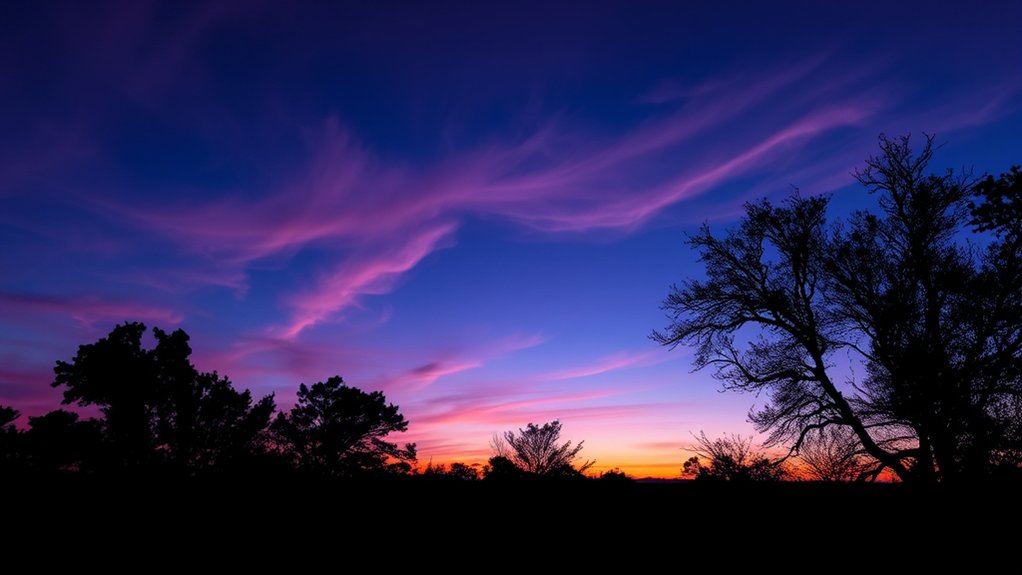
After you start crafting your own sky similes, it helps to watch for missteps that can weaken even a vivid idea.
First, don’t compare incomparable things. If the sky’s traits don’t logically match the other element—like pairing a vast dawn with a random abstract concept—readers must work too hard and may miss your point. Mismatched scale, such as the sky “like a pebble,” also confuses.
Avoid similes that merely restate the obvious: calling the sky “like a blue sky” or the sun “like a ball of light” adds nothing. Instead, aim for fresh sensory parallels.
Skip specialized references most readers won’t know. A simile that depends on rare scientific phenomena or niche hobbies will likely fall flat.
Finally, don’t cluster similes. Stacking several in a row clutters your prose and pulls focus from the moment. Use fewer, sharper comparisons for stronger impact.
Frequently Asked Questions
Can Sky Similes Be Effectively Used in Song Lyrics and Spoken Word Performances?
Yes, you can use sky similes powerfully in both songs and spoken word. You heighten imagery, deepen emotion, and boost audience immersion by comparing the sky to oceans, canvases, fire, mirrors, or shifting quilts.
How Do Different Cultures Use Similes to Describe the Sky in Folklore?
You see cultures use sky similes to express vastness, mood, and divinity: you’ll find oceans, domes, crowns, canvases, fires, and deserts, each turning the sky into a living mirror of belief, landscape, and feeling.
Are Sky Similes Appropriate in Formal Academic or Scientific Writing?
No, you generally shouldn’t use sky similes in formal academic or scientific writing. You prioritize precise, measurable descriptions instead. If you include one for engagement, you confine it to introductions and support it with data.
Can I Use Sky Similes When Writing in Genres Like Horror or Mystery?
Yes, you can—and should. In horror and mystery, you’ll use sky similes to mirror fear, hint at secrets, control pacing, and foreshadow danger, turning ordinary weather into a subtle, atmospheric accomplice.
How Early Can Children Be Taught to Create Their Own Sky Similes?
You can start around age 3 with simple, concrete comparisons, then deepen them through sky-gazing, picture books, and art. By 5–6, children typically create original sky similes like “the sky’s like a giant, painted ocean.”
Conclusion
When you reach for similes, you’re not just describing the sky—you’re setting mood, hinting at theme, and pulling your reader closer. Use bright, familiar comparisons for warmth and joy, and sharper, stormy ones for tension or dread. Borrow the classics when they fit, but don’t be afraid to twist them into something fresh. If you stay specific, avoid clichés, and trust your own images, your skies will never feel flat or forgettable.